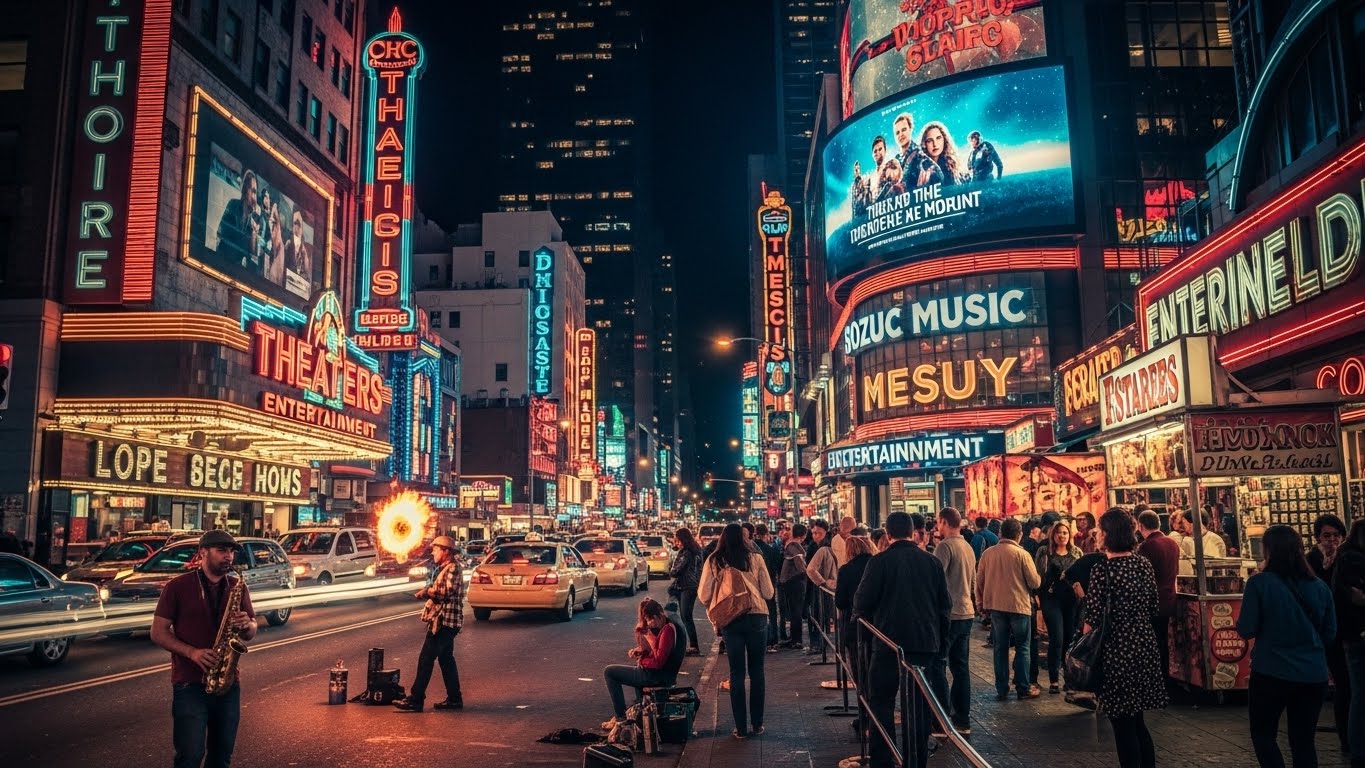

Entertainment has long been a vital part of human existence, shaping culture, uniting communities, and offering escapism from the mundane. From ancient storytelling traditions to modern digital platforms, the journey of entertainment has been nothing short of extraordinary. In this blog post, we will take a closer look at how entertainment has evolved, focusing on its different phases and what the future holds.
The Rise of Traditional Entertainment
Entertainment, in its most basic form, has existed since humanity’s earliest days. Ancient civilizations passed down stories and folklore orally, entertaining and educating future generations. However, the true beginning of modern entertainment, as we know it today, began in the late 19th and early 20th centuries. The introduction of theater, live performances, and cinematic spectacles began to shape how audiences interacted with art and culture.
Theater performances, music concerts, and dance recitals became key forms of entertainment during the early 1900s. In major cities across the world, theaters were bustling centers of cultural life, where people could gather to experience stories brought to life by talented actors, musicians, and dancers. At the same time, cinema began to take off, laying the foundation for the global film industry.
Hollywood’s Golden Age: The Birth of a Global Industry
The 1920s and 1930s marked the “Golden Age” of Hollywood, a time when films were not just an entertainment medium, but an entire cultural phenomenon. Classic films such as Gone with the Wind and Casablanca captured audiences’ imaginations with their compelling storytelling, beautiful cinematography, and larger-than-life stars.
This era set the tone for the entertainment industry we know today, cementing cinema as a dominant force in global culture. Movie theaters filled with eager crowds, hungry for a sense of escapism during a time of social and political upheaval. Hollywood, with its glitz and glamour, became a global symbol of the power of entertainment.
The Emergence of Television: Bringing Entertainment Home
By the mid-20th century, television began to reshape the entertainment landscape. Families no longer had to leave their homes to watch a performance or a film. Instead, they could turn on their TV sets and enjoy a variety of shows, news, and movies, all from the comfort of their living rooms.
The rise of television brought with it an explosion of new content formats. Sitcoms, dramas, variety shows, and reality TV soon dominated prime-time programming. Shows like I Love Lucy, The Twilight Zone, and The Ed Sullivan Show became cultural touchstones, offering something for every demographic. Television brought the world into people’s homes and helped bridge geographical divides, connecting global audiences like never before.
The Digital Revolution: Streaming Takes Over
The 1990s and 2000s witnessed the most significant shift in the entertainment industry: the digital revolution. The rise of the internet led to the creation of online platforms that made entertainment more accessible than ever before. People could now access films, TV shows, and music through websites and peer-to-peer sharing, making traditional methods of consuming content, like visiting video rental stores, obsolete.
The true game-changer came with the launch of streaming platforms like Netflix and Hulu. These services allowed people to watch content on demand, bypassing the rigid schedules of traditional TV networks. Binge-watching became a cultural norm, and streaming giants began producing their own original content. Shows like Stranger Things and The Crown captivated global audiences, proving that streaming was not just a passing trend, but the future of entertainment.
Social Media: A New Era of Entertainment
In recent years, social media has fundamentally changed the entertainment landscape. Platforms like Instagram, TikTok, YouTube, and Twitter have given rise to a new breed of entertainment: influencer culture. Celebrities, musicians, comedians, and even everyday individuals can now create content that reaches millions of people instantly.
Short-form content has become a dominant mode of entertainment, with TikTok leading the charge in capturing the attention of younger audiences. Viral trends, memes, and challenges have become new forms of entertainment, and many traditional entertainers now use social media to stay connected with their fans.
Through social media, entertainment has become more interactive and democratic. Viewers can now comment, share, and engage with content in ways that were never possible with television or film. This shift has also allowed for greater diversity in entertainment, giving rise to new voices and perspectives that were previously underrepresented.
Gaming and Virtual Reality: The Next Frontier
In the 21st century, video games and virtual reality (VR) have emerged as powerful forces within the entertainment industry. The global gaming market is now larger than both the film and music industries combined. Video games have evolved from simple pastimes to deeply immersive experiences, offering complex storylines, stunning visuals, and interactive worlds where players can become part of the action.
Moreover, the rise of virtual reality technology is adding a new dimension to entertainment. VR has the potential to redefine how people experience everything from movies and concerts to travel and education. By immersing audiences in fully interactive environments, VR promises to take entertainment to unprecedented levels of engagement and realism.
The Future of Entertainment: Endless Possibilities
As technology continues to advance, the possibilities for entertainment are limitless. AI-generated content, holograms, and augmented reality (AR) are just the tip of the iceberg when it comes to what’s possible. The entertainment world is shifting toward hyper-personalized experiences, where viewers can choose their own paths, influencing the outcome of shows, movies, and games.
The future may also see entertainment becoming even more immersive, blending physical and digital worlds in ways we’ve never imagined. Could we soon be watching movies with fully interactive storylines or attending virtual concerts where we can choose our vantage point? The boundaries of what constitutes entertainment will continue to stretch and expand.
Conclusion: A Never-Ending Journey
The world of entertainment has come a long way from its humble beginnings, evolving from oral storytelling and theater performances to a multi-billion-dollar industry dominated by digital streaming and social media. From the Golden Age of Hollywood to the rise of gaming and VR, the entertainment industry has continually adapted to the needs and desires of its audiences.
As we move forward, one thing is certain: entertainment will continue to evolve, embracing new technologies, storytelling techniques, and platforms to engage and entertain us. The future of entertainment is bright, with endless possibilities awaiting discovery. Whatever comes next, it will undoubtedly continue to captivate our imaginations and bring joy to our lives.