
Introduction
Entertainment is one of humanity’s most powerful and universal creations. It transcends language, culture, and geography, offering joy, inspiration, and a sense of connection. From ancient storytelling around campfires to modern streaming platforms, entertainment has continuously evolved with society. It reflects our values, dreams, and fears while shaping our emotions and ideas. Today, entertainment stands as more than just amusement; it is an essential part of human life that influences culture, education, communication, and technology. Understanding how entertainment has grown and what it represents allows us to appreciate its profound impact on the human experience.
The Origins of Entertainment: The Birth of Human Expression
Entertainment began long before the invention of modern media. In ancient times, people found joy in music, dance, and storytelling. These early forms of art were not just about enjoyment but were deeply connected to community life and spirituality. Tribal dances celebrated harvests, songs honored ancestors, and stories passed down knowledge from generation to generation. Entertainment was a bridge between the human spirit and the world around it.
As civilizations developed, so did their forms of entertainment. Ancient Greece introduced theater as a structured art form, where dramas and comedies explored human emotions and moral lessons. Rome brought grand spectacles such as gladiatorial games, while in Asia, traditional performances like Chinese opera and Japanese Noh theatre captivated audiences with rich symbolism and artistry. Each culture created its own version of entertainment, shaping identities and preserving traditions.
The Rise of Performing Arts and Literature
As societies became more sophisticated, entertainment expanded into new territories. Music evolved with the invention of instruments, while literature gave birth to poetry and epic tales. These forms of entertainment became symbols of intelligence and creativity. In medieval Europe, plays performed in marketplaces and cathedrals entertained the masses and taught moral lessons. Similarly, poetry and storytelling flourished across the Middle East and South Asia, giving rise to timeless classics that still inspire modern creators.
The Renaissance period marked a significant turning point in entertainment. Artists, musicians, and playwrights began experimenting with realism, perspective, and emotion. The works of Shakespeare, Michelangelo, and Leonardo da Vinci transformed entertainment into a sophisticated art that spoke directly to the soul. Theatres became cultural hubs, music evolved into complex compositions, and the written word gained the power to shape society.
The Birth of Modern Entertainment: A New Era of Creativity
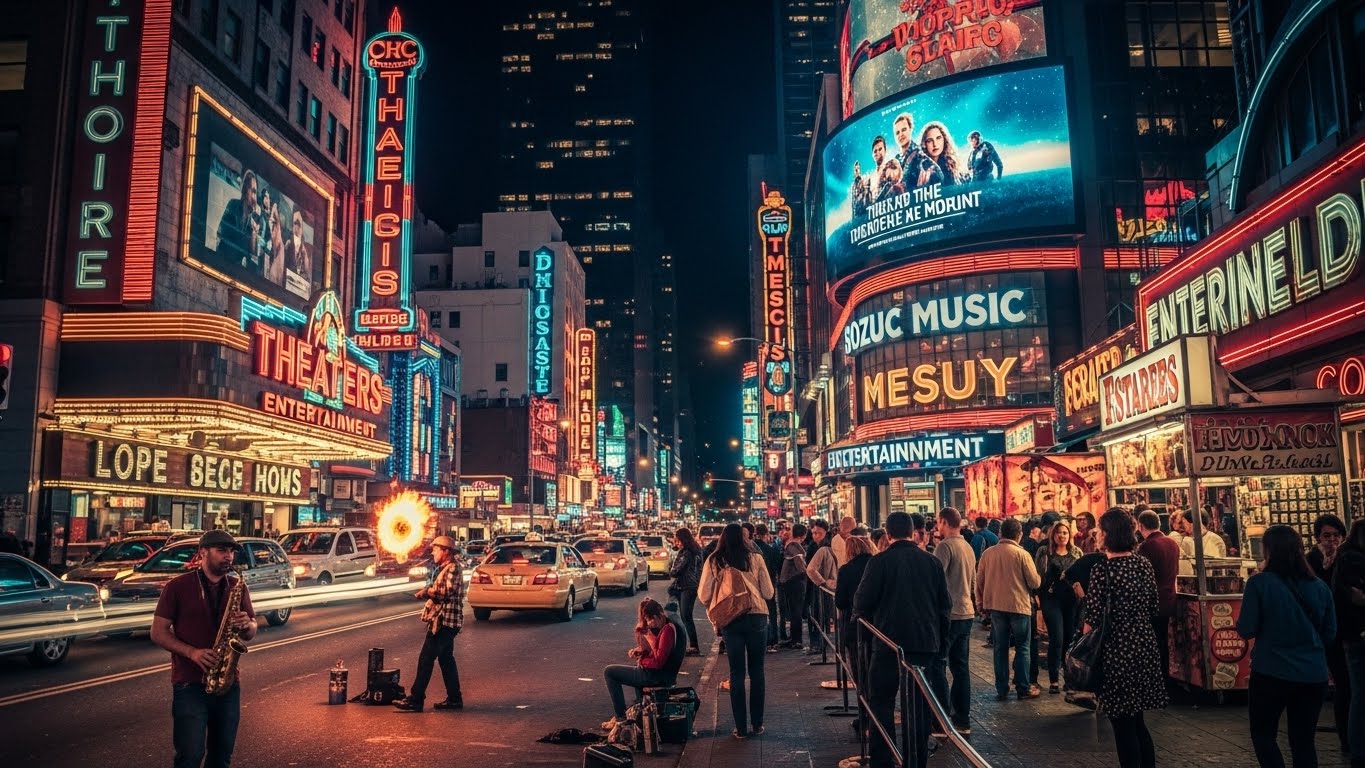
The Industrial Revolution in the 19th century changed everything. With urbanization and technological progress, people gained more leisure time, and entertainment became more accessible. The invention of photography and film opened a new chapter in human creativity. Silent films, early cinemas, and music halls became gathering places for communities seeking laughter, excitement, and escape.
By the early 20th century, the world saw the golden age of cinema. Hollywood emerged as the heart of global entertainment, producing movies that captivated millions. Stars like Charlie Chaplin and Greta Garbo became household names, symbolizing a new form of celebrity culture. At the same time, radio brought music, news, and drama directly into people’s homes, creating shared experiences that connected families and nations.
Television followed, transforming entertainment once again. Families gathered around their TV sets to watch their favorite programs, from comedies to dramas and live sports. This era created cultural icons and moments that defined generations. Television became a mirror reflecting both the triumphs and struggles of society.
The Musical Revolution: A Universal Language
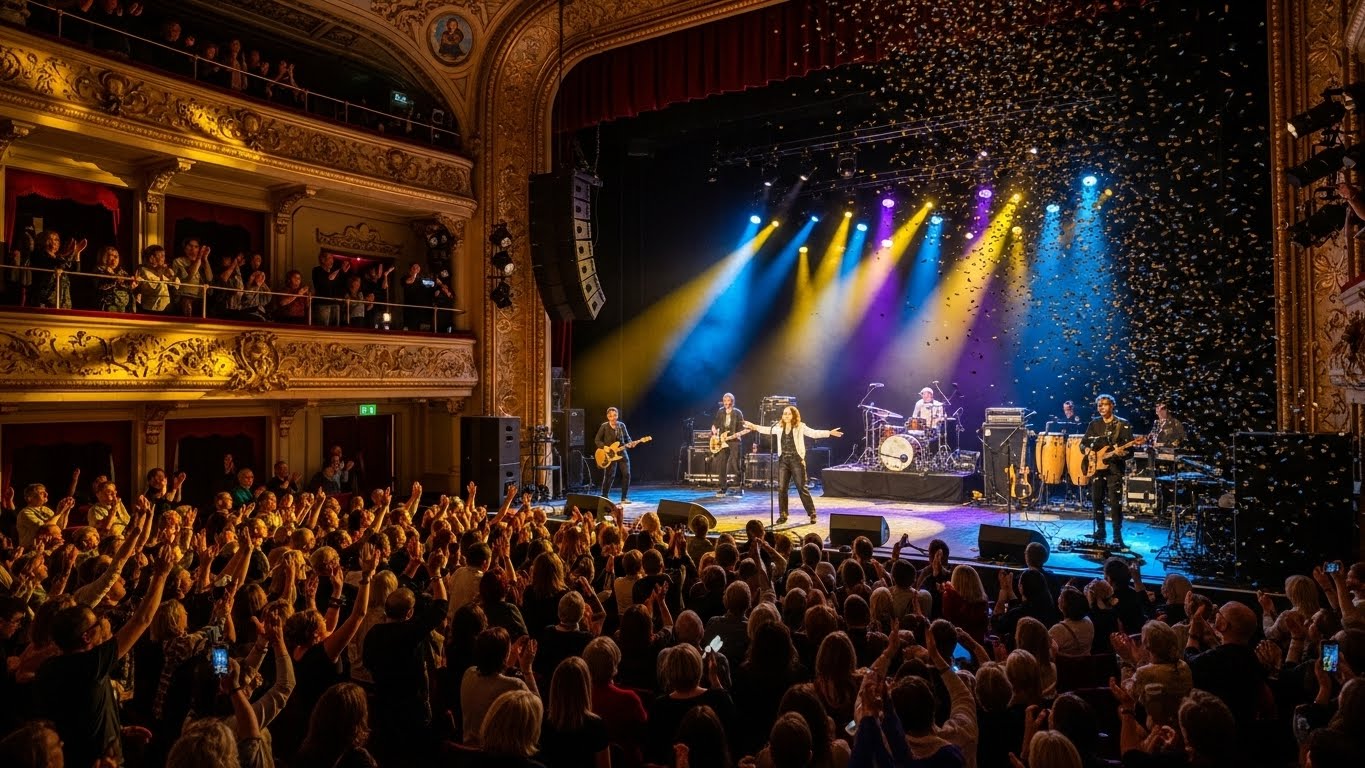
Among all forms of entertainment, music holds a special place. It is a language understood by every culture and every heart. The 20th century witnessed an explosion of musical innovation, from jazz and blues to rock and pop. Artists became cultural heroes, and their songs became anthems of freedom, love, and rebellion.
The rise of recorded music and concerts changed the way people experienced sound. The invention of vinyl records, cassette tapes, and eventually digital downloads gave listeners access to music anytime, anywhere. Festivals and live performances turned into celebrations of creativity and unity, attracting millions of fans from around the world.
Music not only entertains but also heals and inspires. It has been used in education, therapy, and activism. Whether it is a lullaby that comforts a child or a powerful song that fuels a movement, music continues to be a force that unites humanity.
The Digital Transformation: Entertainment in the Age of Technology
The dawn of the internet brought a revolution that reshaped every aspect of entertainment. What was once limited to theaters, radio stations, or television screens is now available on-demand through digital devices. The rise of streaming platforms allowed people to watch films, listen to music, and play games instantly. Entertainment became global, accessible, and interactive.
Social media platforms introduced a new era of creativity where anyone could become a content creator. Short videos, online performances, and user-generated content blurred the lines between audience and artist. This democratization of entertainment gave rise to new talents and communities that thrive on digital connection.
Video games, once considered a niche hobby, have become one of the most dominant forms of entertainment today. They combine art, storytelling, and technology to create immersive experiences. Esports and online multiplayer games attract millions of players and viewers, proving that the definition of entertainment continues to evolve with innovation.
The Art of Storytelling: The Soul of Entertainment
No matter how much entertainment evolves, storytelling remains its core. Every film, song, book, or game tells a story that resonates with the human experience. Stories give meaning to our emotions and help us understand the world around us. They allow us to explore different perspectives, challenge our beliefs, and imagine new possibilities.
Modern entertainment uses storytelling in innovative ways. Films explore complex social issues, television series develop long-form narratives that engage viewers emotionally, and games allow players to shape their own stories through choices and actions. Even advertisements and music videos rely on storytelling to connect with audiences on a deeper level.
Storytelling is what makes entertainment timeless. It bridges the past and future, ensuring that even as technology changes, the human need for narrative remains constant.
The Business and Economy of Entertainment
Entertainment is not just art; it is a thriving global industry that generates billions of dollars annually. From film studios to record labels, from fashion collaborations to gaming companies, the entertainment sector fuels economic growth and provides millions of jobs worldwide.
Celebrities and influencers have become brands in themselves, shaping consumer trends and social movements. Marketing, advertising, and digital innovation have transformed how entertainment is produced and consumed. Even virtual concerts and digital premieres are now common, proving that the industry adapts quickly to new technologies and audience preferences.
However, this growth also brings challenges. Intellectual property rights, artist compensation, and content regulation are ongoing debates in the entertainment world. Balancing creativity with commerce remains one of the biggest challenges of the modern era.
Cultural and Social Impact of Entertainment
Entertainment is more than just amusement; it shapes culture, identity, and social behavior. Films, music, and literature influence how people think, dress, and communicate. They can challenge stereotypes, raise awareness about important issues, and promote diversity and inclusion.
Through entertainment, societies express their values and struggles. A powerful film can start conversations about justice. A song can become the voice of a generation. A comedy show can make political statements in a humorous way. Entertainment has the ability to break barriers, build empathy, and bring people together regardless of their backgrounds.
In addition, entertainment plays a therapeutic role in people’s lives. It provides an escape from stress, brings laughter during difficult times, and creates shared experiences that strengthen relationships. In an increasingly digital and divided world, entertainment remains a unifying force.
The Changing Face of Fame and Audience Connection
The nature of fame has dramatically changed in recent years. Traditional celebrities once ruled cinema and music, but today, online influencers and digital creators share the spotlight. Platforms for user-generated content have given rise to a new kind of celebrity—one that is built on authenticity and direct audience engagement.
Fans now expect real-time interaction with their favorite entertainers through live streams, posts, and virtual meetups. This has created a closer relationship between artists and audiences, but it has also increased the pressure on entertainers to constantly remain visible and relevant. The digital age has made fame more accessible, but also more fleeting.
The Future of Entertainment: Where Imagination Meets Innovation
The future of entertainment lies at the intersection of creativity and technology. Virtual reality, augmented reality, and artificial intelligence are transforming how stories are told and experienced. Imagine attending a concert from your living room through a virtual headset or watching a movie where you can influence the storyline. These innovations are already becoming reality.
Artificial intelligence can now compose music, write scripts, and even create digital actors. The metaverse promises to build virtual worlds where art, gaming, and social interaction merge seamlessly. Despite these technological advancements, the essence of entertainment will always be rooted in emotion and imagination.
As global cultures continue to blend, entertainment will become even more inclusive and diverse. New voices, languages, and ideas will shape the next era of storytelling, ensuring that the magic of entertainment remains timeless and universal.
Conclusion
Entertainment is more than an escape; it is a reflection of who we are and what we aspire to be. It evolves with humanity, adapting to every era while preserving the core values of creativity, connection, and expression. From ancient rituals to futuristic virtual worlds, entertainment continues to define our collective identity and enrich our lives.
It teaches us empathy, fuels our imagination, and brings joy in moments of despair. Whether through a song that moves our hearts, a story that opens our minds, or a game that connects us across continents, entertainment reminds us of our shared humanity. As long as people dream, create, and feel, entertainment will remain the symphony of joy that unites the world.