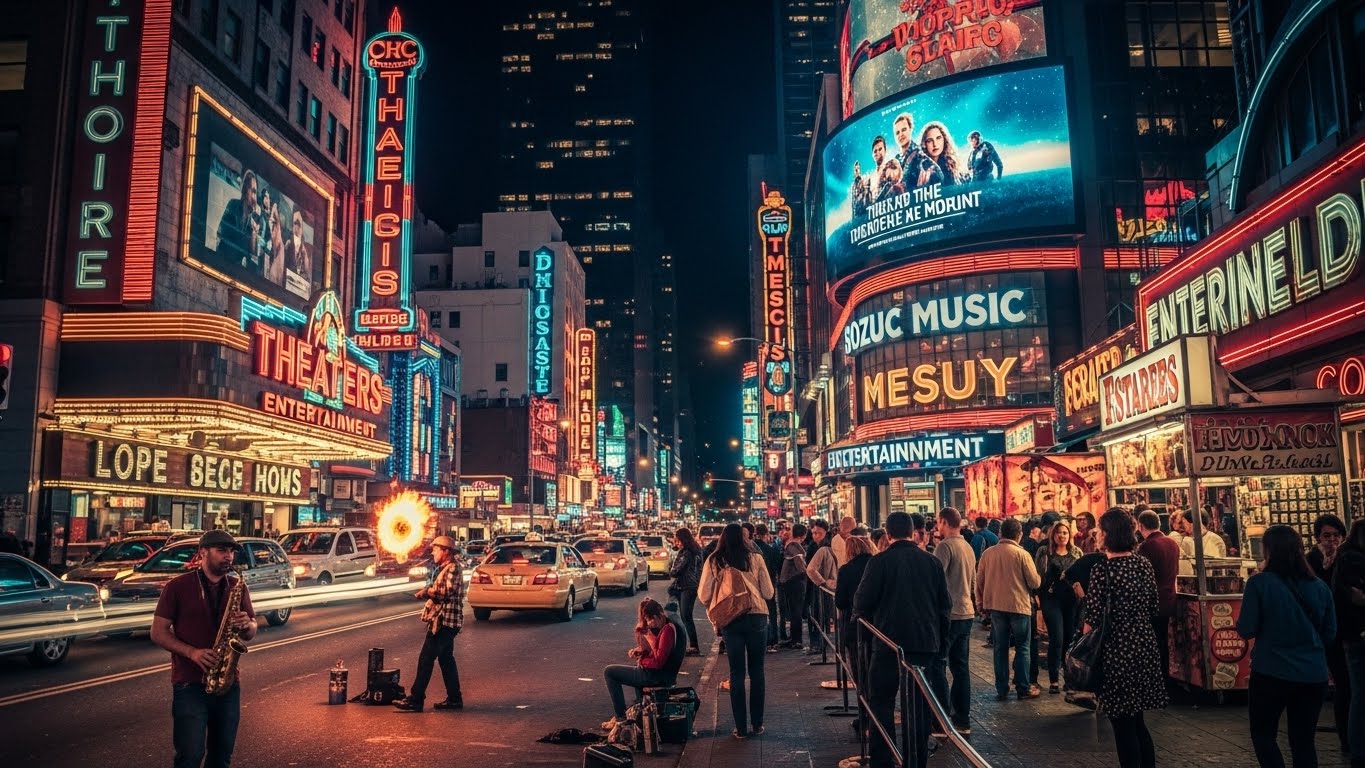
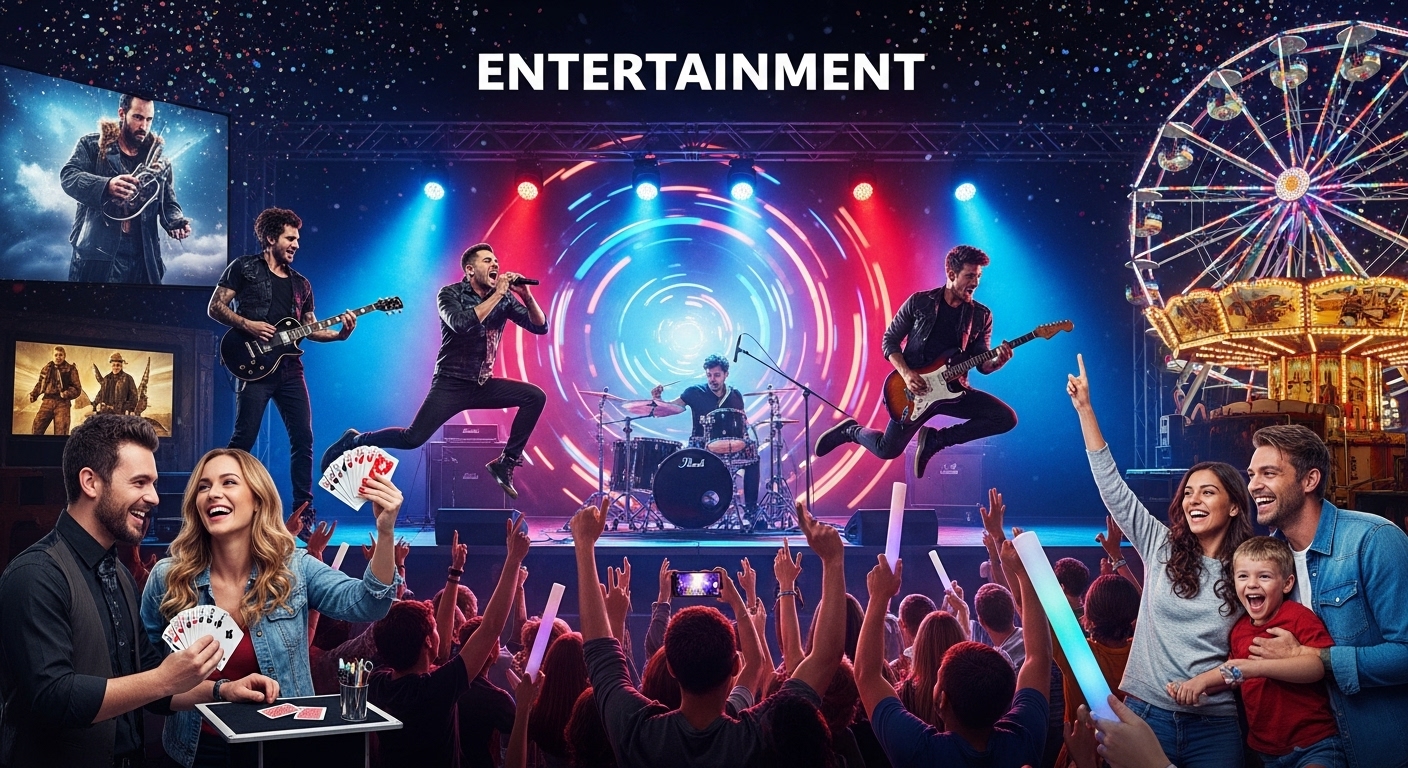
Entertainment is an integral part of human life, offering both an escape from daily routines and a source of connection, culture, and joy. Over the decades, the way we experience entertainment has transformed dramatically. From watching live theater to binge-watching Netflix shows on a smartphone, entertainment has adapted to new technologies, evolving audience expectations, and changing cultural trends. In this blog post, we will explore how the entertainment landscape has shifted, where it’s headed, and the role technology plays in shaping the future of entertainment.
The Golden Age of Television: When Watching Was an Event
Television, in its early years, brought families and communities together. Watching a show on a Sunday evening was not just a pastime but a shared cultural event. The golden age of television, spanning from the 1950s to the 1980s, marked an era where scheduled programming ruled. People had limited options—networks would air their shows, and audiences had to tune in at specific times, or they would miss it.
This period was a defining moment for many, as iconic shows such as The Twilight Zone, I Love Lucy, and later, Friends and The Simpsons, became ingrained in the social fabric. People would gather around their TV sets to watch the latest episode, talk about the shows the next day, and get immersed in the shared experience of television.
But as with all things, the rapid advancement of technology led to inevitable change.
The Rise of Digital Streaming: The Shift to On-Demand Entertainment
The digital revolution ushered in a major transformation in how we access and consume entertainment. With the advent of digital streaming platforms like Netflix, Hulu, and Amazon Prime Video, entertainment was no longer confined to a specific time slot. The concept of on-demand content has revolutionized how people watch movies, TV shows, and documentaries.
The ability to watch entire seasons of a show in one sitting, or “binge-watch,” became a cultural norm. Viewers no longer had to wait a week for the next episode. Now, with the swipe of a finger, they could dive into an entire world of entertainment whenever they wanted. This shift towards on-demand content has also led to the rise of niche genres and content, as streaming platforms allowed independent creators to reach audiences without the limitations of traditional broadcasting.
Moreover, platforms like YouTube, where users can upload content for free, have democratized entertainment, giving rise to a new wave of content creators—Vloggers, influencers, and streamers who now have the power to shape cultural trends and entertainment experiences.
The Power of Social Media: Creating a New Type of Entertainment
While TV and movies still dominate, social media has emerged as a powerful force in the world of entertainment. Platforms such as Instagram, Twitter, TikTok, and Snapchat have introduced new forms of entertainment. These platforms offer a space for users to create, share, and consume entertainment on their terms.
TikTok, in particular, has changed the entertainment landscape. It has given birth to viral challenges, short-form comedy skits, and viral music hits. TikTok allows anyone with a smartphone to be a creator, and as a result, everyday people are now influencing pop culture. Social media platforms have turned the passive consumption of entertainment into an interactive, participatory experience. Fans no longer simply watch—they engage, interact, and even create.
Instagram and YouTube, on the other hand, have also shifted the spotlight to influencers who, with massive followings, have become celebrities in their own right. They create lifestyle content, offer tutorials, and even engage in live-streaming, bringing entertainment directly to their followers.
Mobile Entertainment: Access at Your Fingertips
One of the most significant changes in entertainment consumption is the role of mobile devices. With smartphones, tablets, and portable consoles, people now have entertainment in their pockets. Whether you’re playing a game during your commute, watching a video on YouTube during lunch, or streaming your favorite show on a plane, mobile devices have made entertainment more accessible than ever before.
Mobile gaming is a huge part of this shift. From casual games like Candy Crush to large-scale multiplayer experiences like Fortnite, mobile gaming has become a multi-billion-dollar industry. People no longer have to sit in front of a console or computer screen to enjoy immersive gaming experiences. Mobile gaming has blurred the lines between gaming, socializing, and entertainment.
Social media apps like Instagram, TikTok, and Twitter are also optimized for mobile use, creating platforms that are inherently built for constant, on-the-go entertainment. The instantaneous nature of these platforms, combined with their easy-to-use interfaces, makes it effortless for users to consume and share entertainment.
Virtual Reality and Augmented Reality: The Future of Immersive Entertainment
As technology progresses, immersive experiences such as virtual reality (VR) and augmented reality (AR) are poised to take entertainment to the next level. These technologies offer the promise of a more immersive, interactive, and engaging form of entertainment.
Virtual reality creates a fully immersive environment, allowing users to experience entertainment in 360 degrees. Imagine stepping into your favorite movie or game, becoming a character, and interacting with the environment around you. VR gaming has already begun to captivate players, and its applications are expanding into other forms of entertainment, such as live concerts, virtual tourism, and even social events.
Augmented reality, on the other hand, overlays digital content in the real world. Pokémon Go, the mobile game that took the world by storm, is a prime example of AR entertainment. Players interacted with digital characters in their real-world surroundings, creating a hybrid gaming experience that encouraged outdoor activity. As AR technology advances, we can expect more interactive and personalized experiences, ranging from virtual concerts to interactive theater and events.
The potential for VR and AR in entertainment is immense. The boundaries between digital and physical worlds will continue to blur, creating experiences that are increasingly personalized, immersive, and engaging.
Interactive Entertainment: The Rise of Personalization
Gone are the days when entertainment was a passive experience. With the rise of interactive platforms and experiences, audiences now have the ability to shape their own entertainment journeys. Interactive films, such as Netflix’s Bandersnatch, allow viewers to make choices that affect the storyline, giving them agency in how the narrative unfolds.
Video games have always offered an interactive experience, but now, games are becoming more complex, offering open worlds, dynamic narratives, and multiplayer interactions. The demand for personalized entertainment has led to the creation of smart algorithms that can recommend movies, shows, and music tailored to individual tastes.
This trend towards personalization is likely to continue with the integration of artificial intelligence. Imagine a movie that adjusts its plot in real-time based on your mood, or a live performance that changes depending on your reactions. The possibilities for interactive entertainment are endless, and the future promises experiences that are fully customized to you.
The Globalization of Entertainment: Connecting Cultures Through Content
One of the most exciting aspects of modern entertainment is its global reach. The internet and digital platforms have allowed entertainment content to transcend geographic boundaries. Shows, movies, and music that were once limited to a specific region or country can now be enjoyed by audiences around the world.
Platforms like Netflix, YouTube, and Spotify offer content in multiple languages and provide access to international films, music, and series. In fact, shows like Money Heist and Squid Game have gained massive international followings, proving that cultural barriers in entertainment are becoming increasingly irrelevant.
The rise of global entertainment has not only broadened our access to new content but also fostered cross-cultural exchange. People are now exposed to stories, music, and traditions from all over the world, enriching their entertainment experiences and broadening their understanding of different cultures.
The Future of Entertainment: What’s Next?
As we look to the future, the entertainment industry will continue to evolve at a rapid pace. With new technologies such as 5G, AI, and immersive platforms like VR and AR on the horizon, the possibilities for entertainment are endless. We’re likely to see even more personalized experiences, where entertainment adapts to our moods, preferences, and behaviors in real-time.
The rise of decentralized platforms and blockchain technology could also disrupt the way content is created, distributed, and consumed. Creators might be able to bypass traditional distribution channels and connect directly with their audiences, while viewers may gain more control over what they see and how they pay for it.
At the heart of these changes, entertainment will continue to be about connection—whether it’s sharing a story, experiencing a new world, or engaging with others through interactive media. What remains constant is the power of entertainment to inspire, entertain, and bring people together across time and space.
Conclusion: Embracing the Digital Revolution
The evolution of entertainment reflects the rapid technological advancements and shifting societal norms. From traditional TV to mobile devices, streaming services, and immersive virtual worlds, entertainment has transformed into a dynamic, interactive, and accessible experience. As technology continues to innovate, the entertainment landscape will keep evolving, offering new ways for us to engage, create, and share experiences.
In a world where digital media reigns supreme, the future of entertainment is an exciting journey of exploration, creativity, and connection. Whether through streaming, gaming, social media, or virtual experiences, entertainment will remain a core part of our lives, helping us to relax, learn, and escape—no matter where we are.