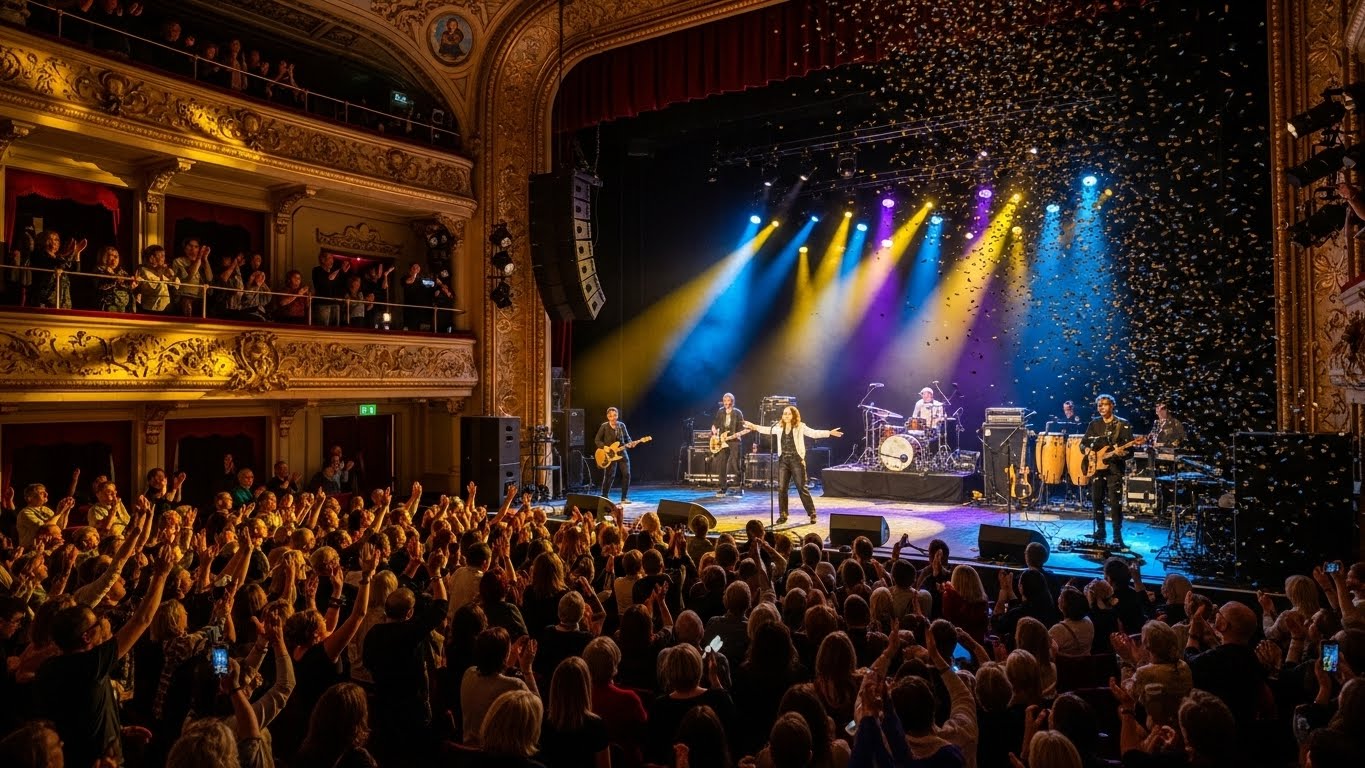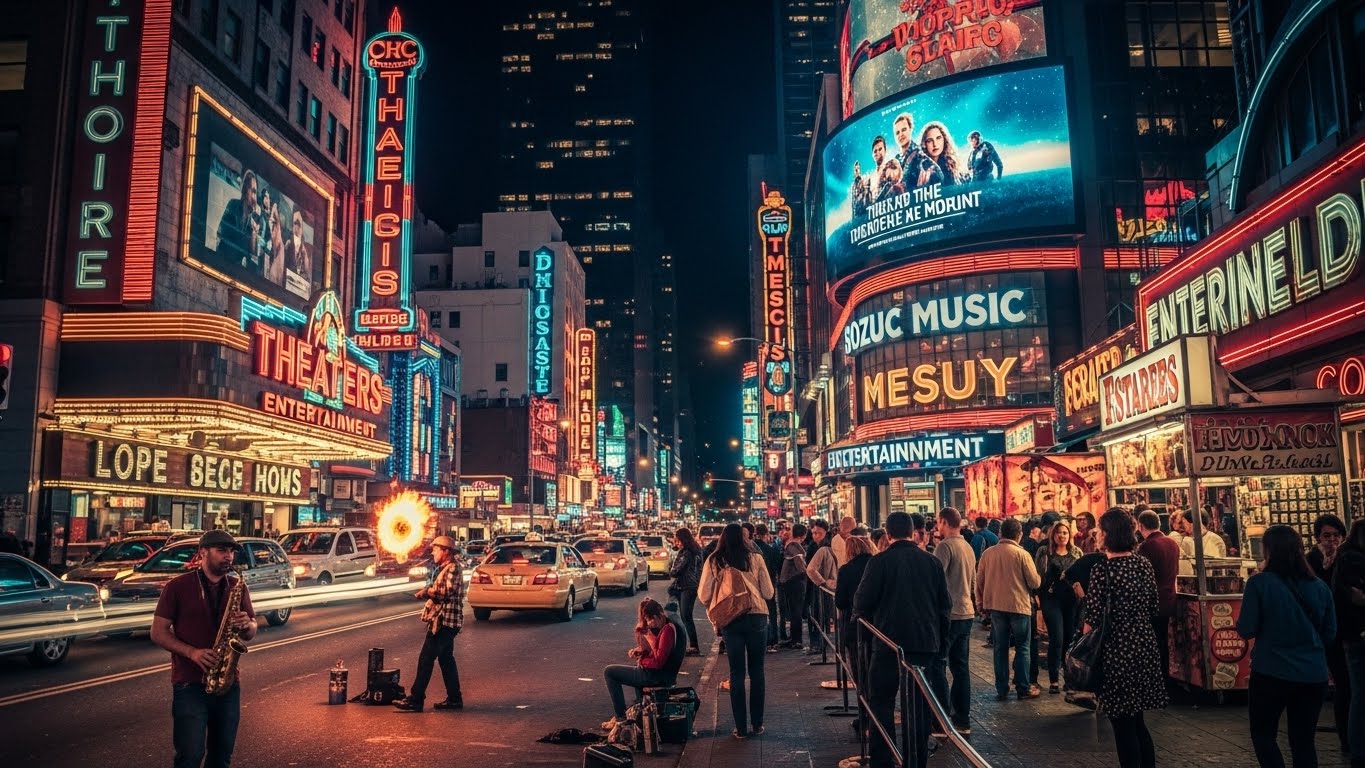

Entertainment has been an essential part of human culture for centuries. Whether through music, movies, television, or live performances, entertainment offers an escape from the everyday, a way to explore different cultures, and a means to connect with others. Over the years, the way we consume entertainment has drastically changed, particularly with the rise of digital media and streaming services. This blog delves into the current state of the entertainment industry, its transformation in the digital age, and what the future holds for both creators and consumers.
The Evolution of Entertainment Consumption
Entertainment has always evolved in response to societal changes, technological innovations, and shifting cultural preferences. In the past, people relied heavily on live performances, theater productions, or radio broadcasts to enjoy their favorite forms of entertainment. Over time, innovations like television and film revolutionized how we consumed content, making entertainment more accessible to the masses.
The 21st century has brought about an entirely new era, where technology continues to reshape the industry. The rise of digital streaming platforms such as Netflix, Amazon Prime, Disney+, and others has shifted the way we watch movies and TV shows. Traditional cable TV is on the decline, while digital platforms offer an on-demand experience, allowing viewers to watch what they want, when they want, without the constraints of scheduled programming.
Additionally, the expansion of social media has created new avenues for entertainment. Platforms like YouTube, TikTok, and Instagram allow anyone to become a content creator, blurring the lines between professional and amateur entertainment. This democratization of content has changed the relationship between entertainers and their audiences, fostering direct interactions and creating new forms of engagement.
The Impact of Streaming Services on Traditional Media
Streaming platforms have disrupted the traditional media landscape, offering a more flexible, on-demand alternative to conventional television. This shift has drastically changed the entertainment industry, particularly for broadcasters and cable networks. For example, Netflix, which started as a DVD rental service, has transformed into a global entertainment powerhouse, producing original content and acquiring exclusive distribution rights for popular shows and films.
The impact on the traditional television model has been profound. Viewers are no longer tied to cable subscriptions or specific time slots to watch their favorite programs. They can binge-watch entire seasons of shows at once, creating a more personalized viewing experience. With algorithms that recommend content based on viewing habits, streaming services can offer highly tailored entertainment options, making the experience even more appealing.
This shift has led to an increasing number of people cutting the cord and opting for streaming-only services. The entertainment industry’s response has been to adapt, with many traditional networks launching their own streaming platforms to compete. Disney+ is a prime example of how legacy media companies are pivoting to digital-first platforms, offering a mix of classic content and new releases to retain their audience base.
The Rise of Interactive Entertainment
Another notable trend in modern entertainment is the rise of interactive forms of media. Video games have evolved from simple arcade machines to complex, immersive worlds with narratives that rival those of films and television. With the growth of platforms like PlayStation, Xbox, and PC gaming, along with the increasing popularity of mobile gaming, interactive entertainment has become a dominant force in the industry.
Beyond video games, technologies such as virtual reality (VR) and augmented reality (AR) are pushing the boundaries of entertainment even further. VR gaming, in particular, offers a fully immersive experience, transporting players into digital worlds where they can interact with their environment in ways that traditional gaming cannot offer. AR, on the other hand, blends the real world with digital elements, enhancing physical surroundings with virtual objects, as seen in games like Pokémon GO.
This shift toward interactive entertainment is not only changing how we play but also how we experience entertainment as a whole. VR concerts, virtual theater performances, and interactive storytelling have opened up new ways for people to engage with content, bringing the audience into the experience rather than simply observing from the outside.
The Influence of Social Media on Entertainment
Social media platforms have fundamentally altered the way entertainment is produced, consumed, and shared. Platforms like YouTube, Instagram, and TikTok have given rise to a new breed of influencers and creators who are changing the entertainment landscape. In some cases, these influencers have more impact on their audiences than traditional celebrities.
TikTok, in particular, has become a powerhouse for viral content, launching new trends, songs, and challenges that dominate global conversations. The app’s short-form video format has made it easier for users to create and share content, enabling anyone with a smartphone to become an entertainer. This shift has led to the rise of influencers who build massive followings through relatable, authentic content, and in many cases, these creators have secured partnerships with major brands and even signed deals with traditional entertainment studios.
Social media has also made it easier for fans to interact with their favorite stars, breaking down the barriers between celebrity and audience. Celebrities now have a direct connection to their followers through platforms like Twitter and Instagram, allowing them to engage with fans, promote their work, and provide glimpses into their personal lives. This shift has transformed how fans consume entertainment and has given rise to the “fan economy,” where fan-driven content, like memes and fan art, contributes to the success of a project or artist.
The Changing Role of Celebrities in the Age of Streaming
As the entertainment industry shifts toward streaming and digital platforms, the role of celebrities has also evolved. In the past, Hollywood stars were the primary draw for film and television productions, but now, streaming services prioritize content over the names attached to it. Shows like Stranger Things, The Witcher, and The Mandalorian became hits due to compelling storytelling, unique characters, and broad appeal—rather than solely relying on star power.
That being said, stars still play a significant role in entertainment success. They now have more opportunities to build their own digital brands and platforms. Some actors and musicians use social media to connect with their fans directly, offering a behind-the-scenes look at their lives and careers. Additionally, many celebrities are embracing new media formats, such as YouTube channels or podcasts, where they can engage with their audience without the traditional constraints of their film or television roles.
The Future of Entertainment: What’s Next?
Looking ahead, the entertainment industry is poised for even more transformation. New technologies, emerging platforms, and evolving consumer habits will continue to shape the future. One exciting development is the rise of 5G technology, which promises faster internet speeds and the ability to stream high-quality content with minimal buffering. This advancement will enhance streaming experiences and open the door for more interactive and immersive entertainment formats.
Virtual reality and augmented reality are also likely to play a larger role in the future of entertainment. We may see fully immersive virtual worlds for gaming and entertainment, where users can participate in live events, concerts, and performances from the comfort of their homes. As VR technology becomes more affordable and accessible, it will likely become a mainstream form of entertainment, further blurring the lines between the real and virtual worlds.
Another trend to watch is the continued evolution of artificial intelligence (AI) in entertainment. AI is already being used in content recommendations, as streaming platforms analyze viewing habits to suggest shows and movies. In the future, AI may also be used in content creation, such as writing scripts or even generating realistic special effects, revolutionizing how films and television shows are produced.
Conclusion
Entertainment is an integral part of human life, offering both escapism and connection. Over the years, the way we consume entertainment has evolved from live performances and television broadcasts to on-demand streaming and interactive media. Technology has played a central role in this transformation, bringing new forms of entertainment and revolutionizing how we engage with content.
As the entertainment landscape continues to shift, one thing remains clear: the power of storytelling, creativity, and connection will always remain at the heart of what we enjoy. Whether through films, games, social media, or virtual reality, entertainment will continue to adapt and grow, offering new and exciting experiences for generations to come.