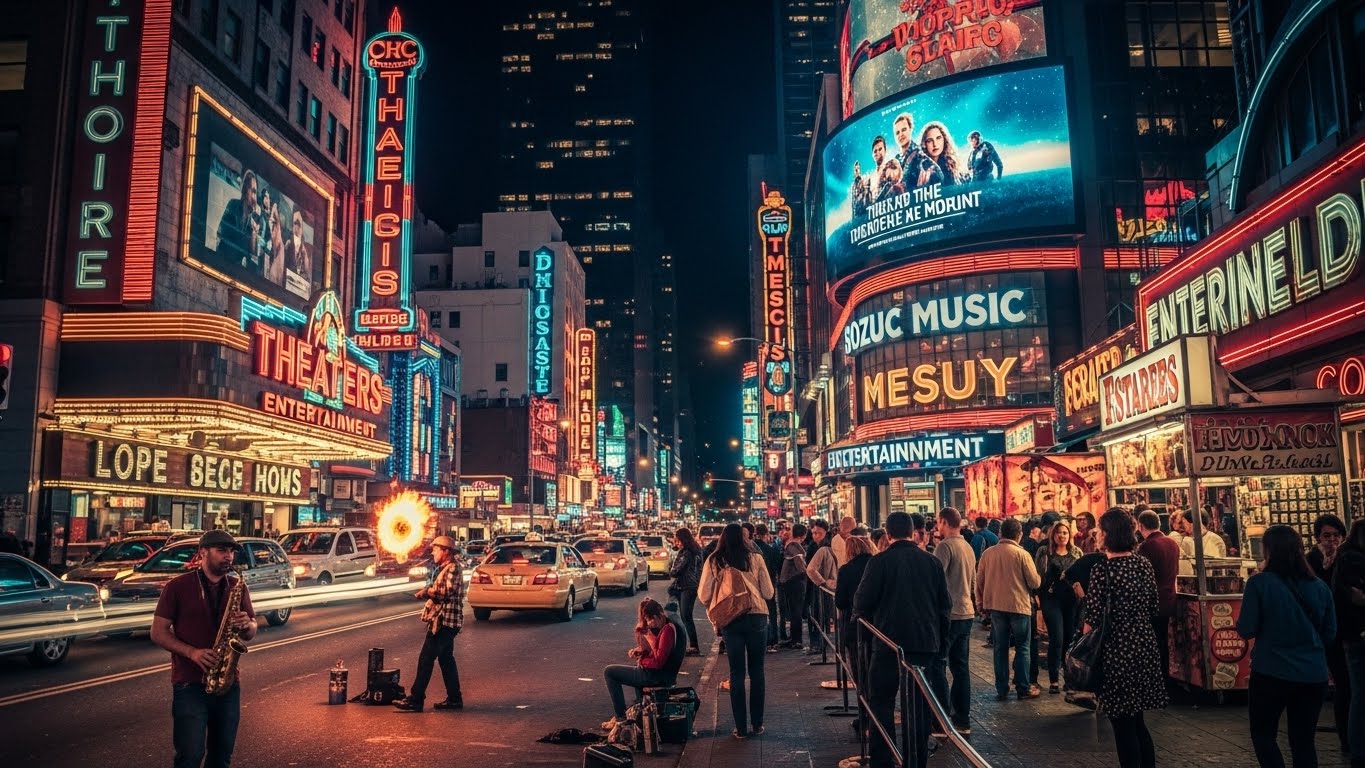

Entertainment is the heartbeat of modern life. It surrounds us in every form—from movies and music to social media, gaming, and live performances. It is not just a source of joy but also a reflection of our culture, emotions, and creativity. In a world that often feels rushed and stressful, entertainment offers a much-needed escape, allowing people to pause, smile, and feel alive. Over the decades, entertainment has evolved from simple storytelling to a vast universe of digital experiences that connect people across the globe.
The Origins of Entertainment
Entertainment has existed since ancient times. Long before technology, humans entertained themselves and others through oral storytelling, dance, and music. In early civilizations, entertainment often took the form of rituals, festivals, and performances that celebrated life, victory, and spirituality. The Greeks introduced dramatic theater, where audiences gathered to watch comedies and tragedies that explored human emotions. The Romans built grand arenas where gladiators fought, blending danger with spectacle. These early forms of entertainment not only served as leisure but also helped societies bond through shared experiences.
As time progressed, entertainment became more structured and diverse. The invention of writing allowed for the creation of literature, while the development of art brought visual storytelling to life. By the Renaissance period, entertainment was intertwined with artistic innovation. The rise of plays, operas, and musical performances during this era set the foundation for what we now recognize as the entertainment industry.
The Evolution into Modern Entertainment
The 19th and 20th centuries marked a dramatic shift in how people experienced entertainment. With the invention of photography, cinema, and the radio, entertainment moved from live performance to recorded forms that could reach mass audiences. The first motion pictures amazed people with the idea that stories could be told visually. Radio brought music, news, and drama into homes, creating a new kind of shared experience. When television arrived, it became a centerpiece of family life, uniting generations around programs and films.
Technology continued to shape entertainment throughout the 20th century. The rise of color television, the invention of the cassette and CD, and later the internet, changed how people consumed content. Today, streaming services and social media platforms have made entertainment instantly accessible to anyone, anywhere. What once required a stage or a cinema is now available in the palm of your hand.
The Emotional Power of Entertainment
Entertainment is more than amusement—it is emotional expression. It has the power to make people laugh, cry, think, and feel connected. A song can lift a person’s spirit, a film can inspire empathy, and a novel can ignite imagination. Through entertainment, people explore emotions that might otherwise remain hidden. It provides comfort during sadness and joy during celebration.
The emotional connection between audiences and entertainment is what makes it universal. Regardless of language or culture, a well-told story resonates deeply because it reflects human nature. This emotional bond is why people remember songs from their youth, quote their favorite movie lines, and find inspiration in fictional heroes. Entertainment allows us to see pieces of ourselves in the stories we consume.
The Digital Age and the Rise of Personalized Entertainment
The digital revolution has transformed entertainment from a shared public experience into a personalized one. With smartphones and high-speed internet, everyone now carries a private entertainment world in their pocket. Platforms allow users to choose what they watch, listen to, or play at any time. Algorithms learn personal preferences, curating music, shows, and videos tailored to individual tastes.
While this shift has brought convenience and diversity, it has also changed how people experience entertainment socially. The shared excitement of waiting for a television show premiere or visiting a cinema has, in some cases, been replaced by solitary viewing on personal devices. However, social media has filled that gap by creating online communities where fans discuss, critique, and celebrate their favorite content. This new form of interaction keeps entertainment vibrant and alive, even in the digital age.
Music: The Heartbeat of Global Entertainment
Music has always been a universal language. It transcends borders, cultures, and generations. From ancient drumbeats to modern digital production, music remains an essential part of human life. It sets the tone for celebrations, helps heal emotional wounds, and provides comfort in solitude. Every generation finds its identity through music, whether in the rhythms of rock, the poetry of rap, or the calm of classical compositions.
The modern music industry has been reshaped by technology. Artists no longer need massive record labels to reach audiences. With online platforms, independent musicians can share their art with millions around the world. Live performances, concerts, and festivals continue to bring people together, proving that the magic of music lies not only in sound but in connection.
Film and Television: Mirrors of Society
Cinema and television have long been mirrors reflecting the complexities of society. Films capture moments of history, explore moral questions, and portray human struggles. They shape perceptions and influence culture in powerful ways. Through the lens of cinema, people can travel to different worlds, experience diverse perspectives, and gain insight into human nature.
Television, on the other hand, has evolved into a storytelling powerhouse. From classic sitcoms to modern streaming series, television brings stories directly into people’s homes. The diversity of genres ensures that there is something for everyone—romance, comedy, drama, mystery, or documentary. The best films and shows do more than entertain; they spark conversations and sometimes even inspire social change.
The Rise of Gaming as Modern Entertainment
In recent years, gaming has emerged as one of the most influential forms of entertainment. What was once considered a hobby for children has grown into a global industry worth billions. Video games combine art, music, storytelling, and technology to create immersive experiences. Players no longer passively watch stories—they participate in them.
Gaming also fosters community and collaboration. Online multiplayer games connect people across continents, forming friendships and rivalries in virtual worlds. Esports tournaments attract millions of viewers, blurring the line between traditional sports and digital competition. Beyond fun, gaming also enhances cognitive skills such as problem-solving, strategy, and creativity. It is not an escape from reality but an expansion of it.
Social Media: The New Age of Entertainment
Social media has completely changed how entertainment is created and consumed. Platforms allow ordinary individuals to become stars overnight. Short videos, reels, and viral trends dominate modern entertainment spaces, giving rise to a new generation of content creators and influencers. This democratization of fame has allowed talent from all backgrounds to shine without relying on traditional media outlets.
However, this new age of entertainment also comes with challenges. The pressure to constantly produce content, maintain online visibility, and keep audiences engaged can be overwhelming for creators. Still, social media continues to shape trends, introduce new art forms, and redefine what it means to be an entertainer in the modern era.
The Role of Entertainment in Mental Health and Well-being
Entertainment plays a vital role in maintaining emotional balance and mental well-being. It offers an escape from the pressures of daily life, allowing people to recharge and relax. Laughter from a comedy show, inspiration from a movie, or calmness from a piece of music can all have therapeutic effects. Studies have shown that engaging with entertainment helps reduce stress, anxiety, and loneliness.
Moreover, entertainment brings people together. Watching a movie with friends, attending a concert, or even discussing a favorite show online creates a sense of belonging. It reminds people that joy and connection are fundamental parts of being human.
Challenges Facing the Entertainment Industry
Despite its power, the entertainment industry faces numerous challenges. With the explosion of digital content, competition is fierce. Artists and creators struggle to maintain originality in a crowded field. The constant need for attention can sometimes overshadow creativity, leading to repetitive trends and superficial content.
There are also ethical concerns about misinformation, copyright infringement, and privacy in the digital age. The balance between creativity and commercialism remains delicate. To thrive, the industry must continue to innovate while maintaining authenticity and respect for artistic expression.
The Future of Entertainment
The future of entertainment is both exciting and unpredictable. With the advancement of artificial intelligence, virtual reality, and augmented reality, audiences will soon experience stories in completely new dimensions. Imagine walking inside a movie scene or playing a game that responds to your emotions. These technologies are pushing the limits of imagination.
However, no matter how advanced technology becomes, the heart of entertainment will always remain the same: storytelling. The desire to connect, feel, and share experiences will never change. The future may bring new platforms, but the essence of entertainment—human creativity and emotional resonance—will remain timeless.
Conclusion: The World as a Stage
Entertainment is more than just fun. It is the rhythm of human life, the expression of creativity, and the mirror of our emotions. From ancient dances to digital dreams, it has evolved with humanity, reflecting our progress and imagination. Whether through music that stirs the soul, films that challenge the mind, or games that transport us to other worlds, entertainment continues to shape how we see ourselves and the world around us.
As long as people dream, create, and feel, entertainment will continue to flourish. It is not just about escape but about discovery—of stories, emotions, and connections that make life meaningful. In every laugh, every melody, and every story, entertainment reminds us that even in an ever-changing world, joy remains eternal.