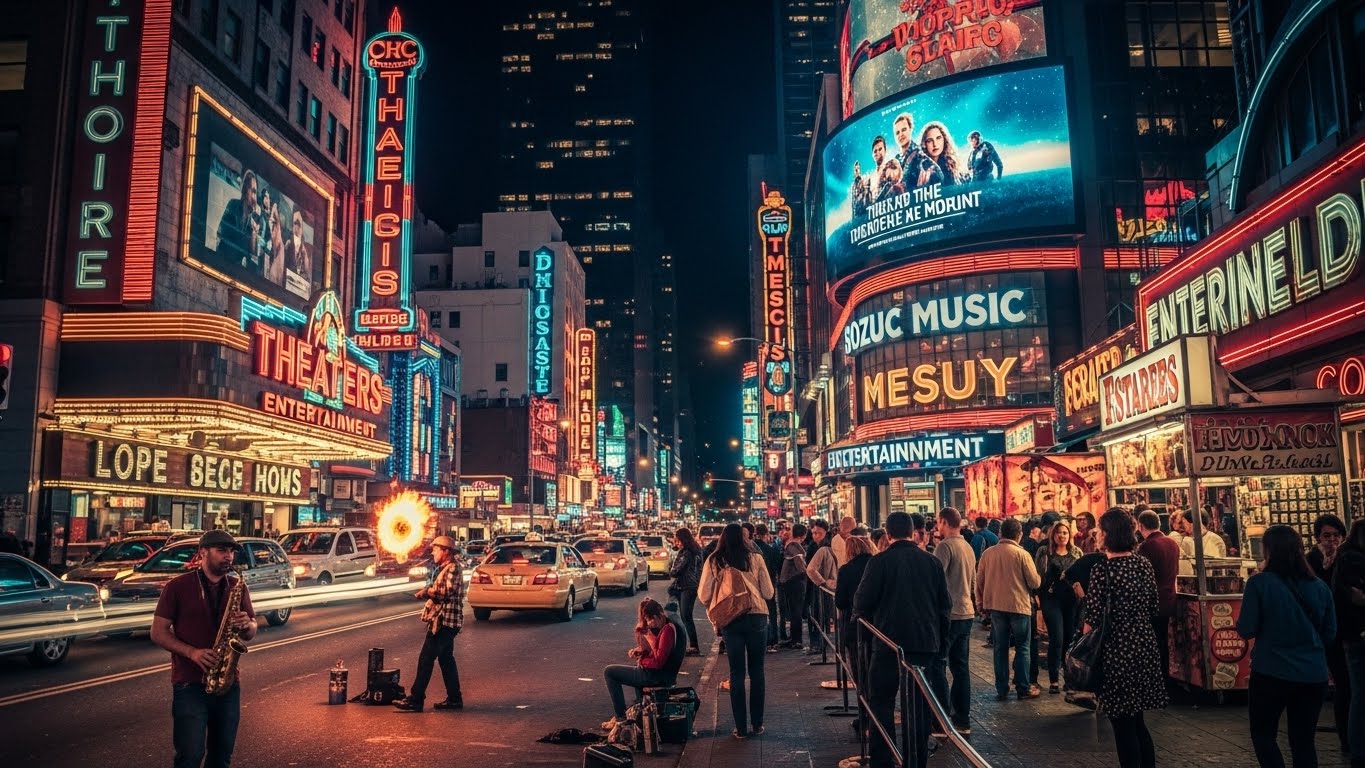

Entertainment has always been an essential part of human culture, providing people with an escape from the everyday grind, a source of joy, and a way to connect with others. Over the centuries, entertainment has undergone a remarkable transformation, evolving with technological advances, social shifts, and changing tastes. Today, the world of entertainment is more dynamic and diverse than ever before. This blog explores the evolution of entertainment, tracing its journey from ancient traditions to the digital age, while highlighting the exciting possibilities for the future.
The Early Foundations of Entertainment
Long before the advent of modern technology, humans found ways to entertain themselves through simple yet profound means. The earliest forms of entertainment were rooted in oral traditions—stories told by firelight, songs sung during celebrations, and dances performed as part of cultural rituals. These early expressions of creativity were not only forms of entertainment but also crucial means of preserving history, sharing knowledge, and strengthening social bonds.
In ancient civilizations like Egypt, Greece, and Rome, entertainment began to take on more organized forms. The Greeks, for example, are credited with the invention of theater, where tragic and comedic plays were performed in large outdoor amphitheaters. In Rome, gladiatorial games became a brutal form of public spectacle, drawing large crowds and reinforcing social hierarchies. Despite their differences, these early forms of entertainment shared a common theme: they provided people with a break from their daily lives, whether through laughter, drama, or the thrill of combat.
The Renaissance and the Flourishing of Art and Performance
The Renaissance period marked a significant cultural rebirth, where art, literature, and theater experienced a dramatic flourish. This era produced some of the most influential works in history, with figures like William Shakespeare, Leonardo da Vinci, and Michelangelo reshaping the landscape of entertainment. Shakespeare’s plays, for example, continue to be performed and celebrated for their deep exploration of human nature and societal issues.
Theater during the Renaissance was a communal activity, with large audiences gathering in theaters to watch performances. This was a time when entertainment was highly localized and in-person, with actors relying on live performances to engage audiences. Music also played a central role during this period, with composers like Mozart and Bach creating symphonies that are still performed today.
The Industrial Revolution and the Rise of Mass Entertainment
The Industrial Revolution of the 19th century brought about profound changes in nearly every aspect of life, and entertainment was no exception. The invention of the printing press, followed by the rise of newspapers, magazines, and novels, made literature more accessible to the masses. As a result, reading became a popular form of entertainment, and the publishing industry saw tremendous growth.
In addition to literature, other forms of mass entertainment began to emerge. The invention of cinema in the late 19th century revolutionized how people experienced stories. The film industry, particularly in Hollywood, became a global phenomenon, drawing millions of viewers to theaters to watch films. This marked the beginning of entertainment becoming not just a local or regional activity but a global industry.
The advent of radio and television further accelerated this transformation, offering people new ways to enjoy entertainment at home. Radio brought music, news, and drama directly into people’s living rooms, while television introduced a whole new world of entertainment, from sitcoms to news programs, to live sports events.
The Digital Age: Entertainment at Your Fingertips
The late 20th and early 21st centuries ushered in the digital revolution, completely altering the entertainment landscape. The internet, mobile devices, and streaming platforms have changed how we access and consume entertainment. The rise of the internet allowed people to connect with content from all over the world, while smartphones and tablets made entertainment portable and on-demand.
Streaming services like Netflix, Hulu, and Spotify gave people unprecedented access to movies, TV shows, and music, allowing them to curate their own entertainment experiences. Traditional television and movie theaters, once the main sources of entertainment, began to face challenges as streaming platforms became the dominant force in the industry.
Video games also saw explosive growth during this period, becoming a multi-billion-dollar industry that offers immersive experiences, interactive storytelling, and social gaming. The gaming world has expanded beyond simple games to include virtual reality (VR) and augmented reality (AR), creating entire new realms for players to explore.
The Future of Entertainment: AI, Virtual Reality, and Personalized Experiences
As we look to the future, it’s clear that entertainment will continue to evolve in exciting and unexpected ways. The rise of artificial intelligence (AI) is poised to revolutionize content creation, enabling highly personalized entertainment experiences. AI-powered tools could generate movies, music, and even video games tailored specifically to individual tastes, offering a level of customization that we have never seen before.
Virtual reality (VR) and augmented reality (AR) also hold immense potential to transform how we experience entertainment. Imagine stepping into a fully immersive world where you can interact with characters, explore fantastical landscapes, or even attend live concerts or theater performances from the comfort of your home. VR and AR technologies are already being integrated into video games, but their applications in film, theater, and live events could open up new worlds of possibility.
Additionally, the rise of social media and platforms like YouTube and TikTok has already transformed the idea of fame and success. Content creators can now build massive audiences and achieve celebrity status without relying on traditional media channels. In the future, this democratization of entertainment will likely continue, as more and more people gain access to the tools needed to create and share their own content.
Conclusion: A Never-Ending Adventure
The journey of entertainment, from ancient storytelling to the digital age, is a testament to humanity’s creativity, innovation, and desire for connection. Each era has brought new forms of entertainment that reflect the technological and cultural advancements of the time. Today, entertainment is more diverse, accessible, and immersive than ever before. As we move into the future, it’s clear that entertainment will continue to evolve, offering new ways for people to connect, escape, and be inspired.
Whether you’re enjoying a classic Shakespeare play, streaming the latest TV series, or exploring a VR game, one thing remains true: entertainment is a universal experience that brings people together, offering joy, reflection, and an ever-expanding realm of possibilities.