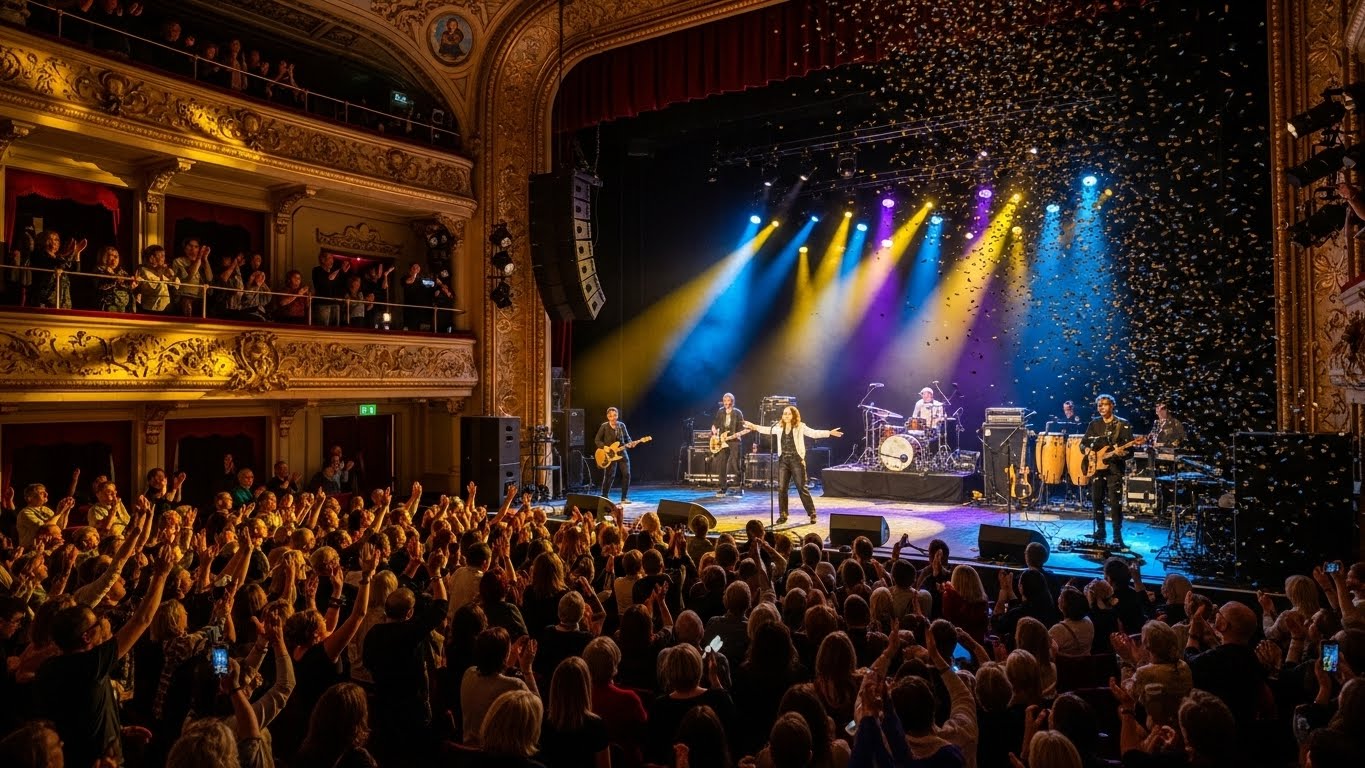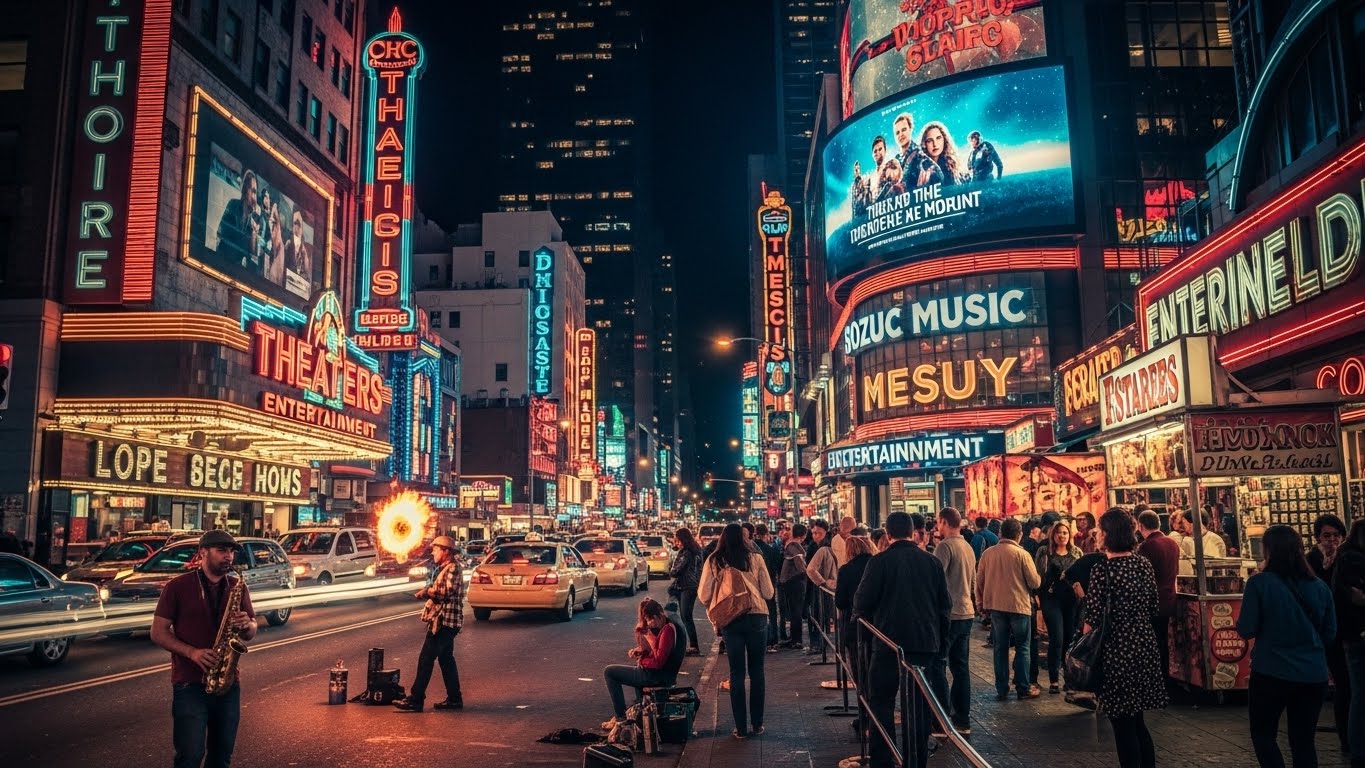

Entertainment is an intrinsic part of human life, shaping societies, cultures, and the way we perceive the world. Over the centuries, it has evolved in remarkable ways, from simple storytelling around a fire to immersive digital experiences that transcend physical boundaries. In this blog post, we’ll explore the journey of entertainment, highlighting its historical roots, transformations, and the current era of virtual and augmented realities. Let’s take a deep dive into how entertainment has continuously adapted to technology and cultural shifts, reflecting and influencing our collective human experience.
The Birth of Entertainment: Ancient Beginnings
The roots of entertainment can be traced back to the earliest human civilizations. In ancient times, entertainment primarily took the form of live performances, oral storytelling, music, and physical spectacles. These activities were not only a means of enjoyment but also served as a way to transmit history, traditions, and moral lessons.
Oral Storytelling and Mythology
Before the advent of written language, storytelling was the primary method through which knowledge and entertainment were passed down through generations. Elders would gather around a fire, weaving tales of gods, heroes, and mythical creatures, often using elaborate gestures and vocal variations to captivate their audience. These stories were not just for amusement—they provided moral lessons, preserved cultural values, and explained the natural world through the lens of mythology.
In ancient Greece, for example, the use of storytelling evolved into dramatic performances. The legendary playwrights such as Sophocles, Euripides, and Aeschylus turned mythological themes into tragedies and comedies performed in grand outdoor theaters, setting the stage for the rise of theatrical entertainment.
The Role of Music and Dance
Music and dance were integral to ancient entertainment. The ancient Egyptians, Greeks, and Romans all had vibrant musical traditions, and performance arts such as dance were central to religious ceremonies and festivals. The Greeks developed a rich tradition of music, with instruments like the lyre, kithara, and aulos (a type of flute) often accompanying dramatic performances. In the Roman Empire, gladiator games, chariot races, and theatrical performances were not only sources of amusement but also served political purposes by entertaining the masses and distracting them from societal issues.
The Middle Ages: Entertainment Shaped by Religion and Royalty
As societies evolved, entertainment continued to be deeply tied to both religious and political structures. During the Middle Ages, the church played a significant role in shaping entertainment, with religious festivals and pageants becoming the focal point of public life.
Religious Festivals and Mystery Plays
The medieval period saw the rise of mystery plays—dramatic performances that depicted biblical stories and events. These plays were often staged during religious holidays and were performed in town squares, cathedrals, or on moveable stages, with actors portraying scenes from the life of Christ, saints, and the Virgin Mary. These performances were not only a form of religious instruction but also a form of popular entertainment.
The church also sponsored music, with Gregorian chants and sacred music becoming the dominant form of public musical entertainment. The presence of royalty and the upper class during this time contributed to the development of courtly entertainment, which included jousting tournaments, banquets, and the patronage of music and theater.
The Renaissance and the Rise of Theatrical Arts
The Renaissance marked a rebirth of interest in classical ideals, including art, music, and theater. With the invention of the printing press, the accessibility of literature and plays grew, and the stage became a site for more complex and sophisticated performances. Playwrights like William Shakespeare and Christopher Marlowe pushed the boundaries of dramatic arts, creating works that would continue to shape entertainment for centuries.
Theaters like London’s Globe Theatre became iconic centers for entertainment, where audiences gathered to witness live performances of Shakespeare’s plays, often involving elaborate set designs, costumes, and a mix of comedy, tragedy, and history.
The Industrial Revolution: The Age of Mass Entertainment
The Industrial Revolution in the 18th and 19th centuries brought dramatic shifts to entertainment, creating new opportunities for the masses to engage with it. With advancements in technology and infrastructure, entertainment moved from being an exclusive experience for the elite to something that could be enjoyed by people from all walks of life.
The Birth of Cinema
One of the most significant developments in entertainment came with the invention of motion pictures. The first public screenings of films in the late 19th century revolutionized the way people consumed entertainment. Early cinema was a silent, black-and-white experience, but it captivated audiences with its ability to tell stories visually. Filmmakers like Georges Méliès and Thomas Edison pushed the boundaries of what was possible, introducing special effects and cinematic techniques that would become the foundation of modern filmmaking.
As cinema grew in popularity, the film industry expanded, and movie theaters became the go-to place for entertainment. By the early 20th century, Hollywood had become the epicenter of global cinema, producing films that would define the cultural landscape of the 20th century.
The Rise of Radio and Television
Radio broadcasts began in the 1920s, and by the 1930s, people across the globe were tuning in to hear news, music, and entertainment programs from the comfort of their homes. The radio had a profound effect on the way people consumed entertainment, offering a diverse array of content from dramas to comedy shows to musical performances.
Television, which emerged in the 1950s, took entertainment to an entirely new level. Families gathered around the television set, watching the latest sitcoms, dramas, and news broadcasts. Shows like “I Love Lucy” and “The Ed Sullivan Show” became cultural phenomena, while live broadcasts of major events like the moon landing in 1969 showcased the power of television to bring entertainment and information into people’s homes on a global scale.
The Digital Age: The Transformation of Entertainment
The latter part of the 20th century and the beginning of the 21st century saw the rise of the digital revolution, transforming entertainment in unprecedented ways. With the advent of the internet, personal computers, and mobile technology, entertainment became more accessible, interactive, and individualized.
The Internet and Streaming Revolution
The advent of the internet marked a seismic shift in how entertainment was consumed. No longer limited to traditional forms like television or cinema, people now had access to an almost infinite library of content. Streaming services like Netflix, Hulu, and YouTube allowed people to watch movies, TV shows, and videos on demand, changing the dynamics of how media was produced and consumed. Content creators, from independent filmmakers to established stars, could now reach a global audience with the click of a button.
Moreover, the rise of social media platforms like Instagram, TikTok, and Twitter has made entertainment increasingly interactive. Content is no longer passive; audiences can engage, comment, share, and create their own entertainment. This has given rise to a new generation of influencers and digital creators, turning platforms like YouTube and TikTok into entertainment powerhouses.
The Era of Video Games and Esports
In addition to streaming, video games have become one of the most dominant forms of entertainment in the 21st century. Video game consoles, PC gaming, and mobile gaming have created immersive experiences where players can interact with rich, detailed worlds. Games like “The Legend of Zelda,” “Grand Theft Auto,” and “Fortnite” have not only become cultural phenomena but have also blurred the lines between entertainment and art, as developers craft intricate narratives and stunning visuals.
Esports, or competitive video gaming, has also grown into a massive global industry, with professional players competing in tournaments watched by millions of fans worldwide. The popularity of esports has led to massive investments, sponsorship deals, and the creation of esports arenas, further solidifying video games as a mainstream entertainment medium.
Virtual Reality and Augmented Reality
Looking to the future, virtual reality (VR) and augmented reality (AR) are poised to redefine the entertainment landscape once again. VR allows users to step inside immersive virtual worlds, experiencing stories, games, and events in ways that were previously unimaginable. AR, on the other hand, overlays digital content on the real world, creating interactive and engaging experiences. Both technologies are still in their infancy, but they hold incredible potential to revolutionize how we experience entertainment, blending the boundaries between the digital and physical worlds.
Conclusion: The Unstoppable Growth of Entertainment
Entertainment is a reflection of the times—shaped by advances in technology, societal changes, and the universal human desire for connection, joy, and escape. From the simple performances of ancient civilizations to the digital spectacles of today, entertainment has evolved to meet the needs of each generation.
As we move into an increasingly digital world, the future of entertainment holds endless possibilities. New technologies like VR and AR will likely push the boundaries of what we consider entertainment, offering more immersive, interactive, and personalized experiences. What remains constant, however, is entertainment’s fundamental role in bringing people together, making us laugh, cry, think, and dream.
The journey of entertainment is far from over, and with each new advancement, we can only imagine what the next chapter will look like.