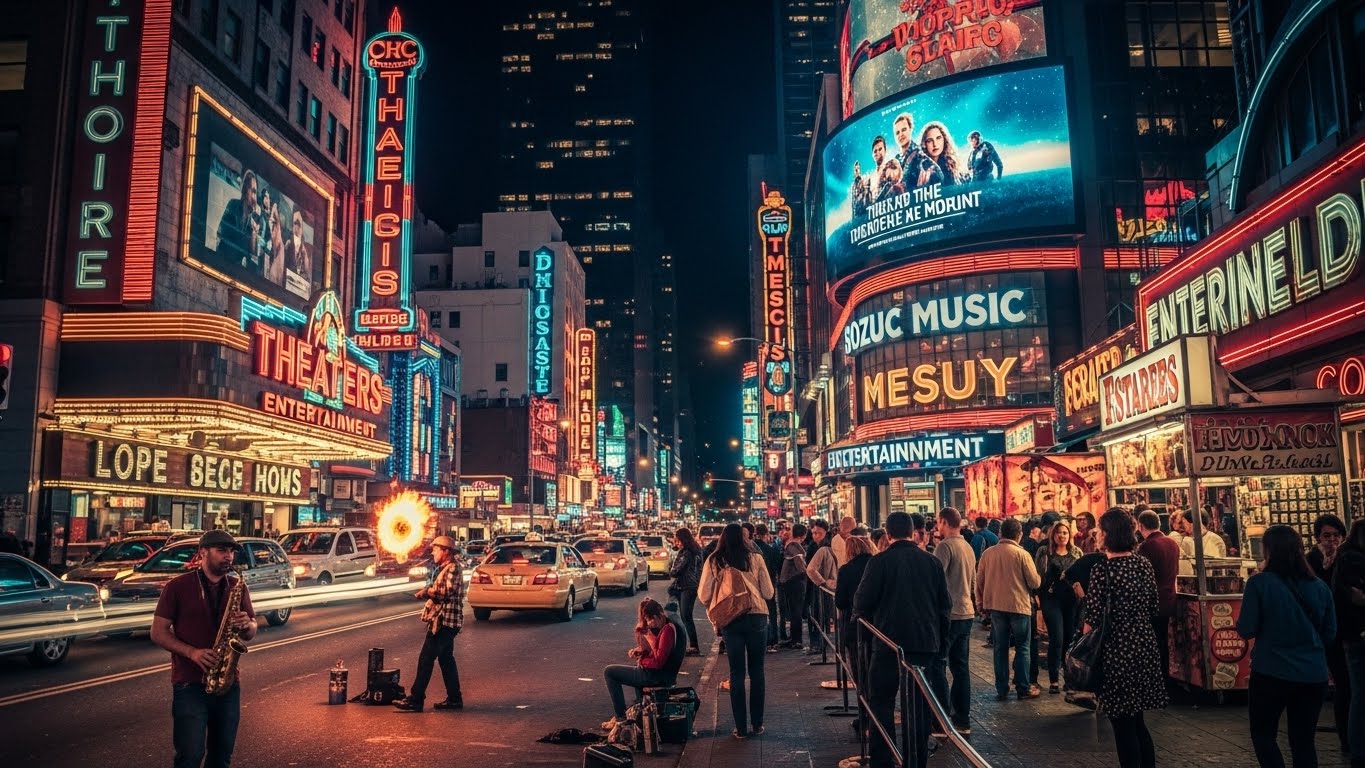

Entertainment has always been an essential part of human life. From storytelling around a fire to the golden age of cinema, the ways in which people engage with amusement have evolved dramatically. Today, entertainment encompasses a vast spectrum of activities, including film, music, gaming, sports, streaming, and social media. This evolution reflects not only technological progress but also shifts in societal values and lifestyles.
Understanding the Essence of Entertainment
At its core, entertainment is any activity or experience designed to amuse, inform, or engage an audience. It serves multiple purposes: providing relaxation, inspiring creativity, fostering social connections, and even shaping cultural identity. Entertainment has always been a mirror of society, reflecting trends, beliefs, and aspirations.
Historically, entertainment was largely communal. Theater, music performances, and sports brought people together, creating shared experiences. Even storytelling, one of the earliest forms of entertainment, served as both amusement and a means of passing knowledge and cultural values.
The Impact of Technology on Entertainment
Technology has transformed the entertainment landscape in unprecedented ways. The invention of television, radio, and cinema initially changed how people consumed media, bringing entertainment into homes and public spaces. However, the digital revolution has taken this transformation further.
Streaming platforms, virtual reality, and digital content have made entertainment more accessible, personalized, and interactive. High-speed internet and mobile devices allow people to watch movies, play games, listen to music, or follow live events anywhere in the world. Technology has also enabled creators to reach a global audience without relying on traditional distribution channels, democratizing the production and consumption of content.
Artificial intelligence is also playing a growing role. From recommendation algorithms that suggest shows based on viewing habits to AI-generated music and visuals, entertainment is becoming increasingly tailored to individual preferences. These advancements enhance engagement and create unique experiences for audiences.
Film and Television: A Dynamic Transformation
Film and television remain central to entertainment, though their formats and consumption patterns have evolved. Cinema offers a collective, immersive experience, while television has historically provided episodic storytelling accessible at home. Today, streaming platforms combine these advantages, offering both binge-worthy series and blockbuster films on demand.
The rise of original content produced exclusively for streaming platforms has challenged traditional film and television models. Viewers now have the power to choose when, where, and how they watch, making entertainment more flexible than ever. Interactive shows, where audiences influence story outcomes, have further blurred the lines between viewer and participant.
Cinema has also embraced technological advancements, such as high-definition visuals, surround sound, and immersive 3D or IMAX experiences. These innovations make movie-watching an event in itself, enhancing emotional engagement and visual storytelling.
Music: From Records to Streaming
Music is another cornerstone of entertainment that has undergone a profound transformation. Vinyl records, cassette tapes, and CDs have gradually given way to digital downloads and streaming services, reshaping how people access and enjoy music. Today, platforms allow users to explore global sounds, discover emerging artists, and curate personalized playlists.
Live music experiences, including concerts and festivals, remain vital. These events combine auditory and social enjoyment, creating memorable experiences for audiences. Additionally, virtual concerts and live-streamed performances have emerged as alternatives, allowing fans to engage with artists remotely while maintaining a sense of community.
Music also intersects with other forms of entertainment. Soundtracks for films, television shows, and games enhance storytelling, while collaborations between musicians and brands expand cultural influence and marketing opportunities.
Gaming: The Rise of Interactive Entertainment
Gaming has emerged as a dominant force in modern entertainment. Video games now rival films and music in terms of revenue and cultural impact. The appeal lies in interactivity, immersion, and social connectivity. Players can explore virtual worlds, solve complex challenges, and compete with friends or strangers online.
Mobile gaming has broadened accessibility, reaching casual players who may not own traditional gaming consoles. Meanwhile, competitive esports has turned gaming into a spectator sport, attracting millions of viewers and creating professional careers. Gaming is not only a form of amusement but also a cultural phenomenon, influencing storytelling, aesthetics, and community building.
Virtual reality and augmented reality are further redefining the gaming experience. By blending the digital and physical worlds, these technologies offer unprecedented immersion and engagement. Games have become interactive experiences that stimulate multiple senses and create lasting memories.
Social Media and Digital Content
Social media has become a central pillar of modern entertainment. Platforms provide instant access to videos, memes, live events, and user-generated content, making entertainment more participatory than ever. Audiences are no longer passive consumers; they can create, share, and influence trends in real time.
Short-form video content has particularly surged in popularity, offering quick, engaging experiences that cater to shrinking attention spans. Influencers and content creators play a significant role in shaping entertainment culture, from viral challenges to lifestyle trends. Social media has also blurred the lines between traditional celebrities and digital creators, redefining fame and influence.
User engagement and interactivity are key features of digital entertainment. Comments, likes, shares, and live streaming create feedback loops between creators and audiences, enhancing connection and participation. This interactivity fosters a sense of community and belonging that traditional forms of entertainment may lack.
Sports and Live Entertainment
Sports have long been a central form of entertainment, combining competition, athleticism, and storytelling. Major sporting events, such as international tournaments, national leagues, and championships, attract massive global audiences. Sports entertainment thrives on unpredictability, personal narratives, and shared excitement.
Live entertainment, including theater, dance, and stand-up comedy, continues to offer unique experiences that cannot be replicated digitally. These performances provide cultural enrichment and social connection, highlighting human creativity and skill. The integration of multimedia, lighting, and interactive elements enhances live events, creating unforgettable experiences for audiences.
The Cultural Significance of Entertainment
Entertainment shapes culture and reflects societal values. Movies, music, games, and literature often serve as mirrors of the times, addressing social issues, exploring human emotions, and celebrating achievements. Popular entertainment can influence fashion, language, and behavior, shaping trends and inspiring creativity.
Cultural diversity in entertainment has expanded significantly. Audiences now have access to stories, music, and art from around the world, fostering cross-cultural understanding and appreciation. The globalization of entertainment has created shared experiences while preserving local identities and traditions.
Economic Impact of Entertainment
The entertainment industry is a major economic driver, generating billions in revenue and supporting millions of jobs worldwide. Film production, music, gaming, live events, and digital content all contribute to global economic growth. The industry also stimulates innovation in technology, marketing, and infrastructure.
Advertising, sponsorships, and merchandising further enhance economic influence. Entertainment creates opportunities for entrepreneurs, creators, and professionals across diverse sectors, including production, design, distribution, and promotion. Its economic significance extends beyond direct revenue, impacting lifestyle, consumer behavior, and technological development.
Challenges in the Entertainment Industry
Despite its growth, the entertainment industry faces challenges. Piracy, copyright infringement, and content theft remain persistent issues, threatening revenue and creative rights. Maintaining originality while meeting audience demand is an ongoing struggle for creators and producers.
Changing consumption patterns also pose challenges. Audiences increasingly seek personalized, on-demand experiences, requiring traditional media to adapt. Monetization models must balance accessibility with profitability, ensuring sustainable growth.
Additionally, inclusivity and representation are critical concerns. Entertainment has historically underrepresented certain groups, and efforts are underway to promote diversity, equity, and authentic representation. Creating content that resonates with diverse audiences is essential for cultural relevance and industry sustainability.
The Future of Entertainment
The future of entertainment is poised to be more immersive, interactive, and interconnected. Virtual reality, augmented reality, and artificial intelligence will create experiences that adapt to individual preferences and behaviors. Personalized storytelling, interactive narratives, and cross-platform experiences will redefine audience engagement.
The convergence of entertainment and technology will continue to blur the lines between consumption and participation. Audiences will play active roles in shaping content, interacting with creators, and influencing outcomes. Global access to digital platforms will expand cultural exchange and collaboration, fostering innovation and creativity.
Sustainability and ethical production are also emerging priorities. As audiences become more conscious of social and environmental impact, entertainment industries are adapting practices to meet evolving expectations. This includes environmentally responsible production, inclusive representation, and ethical monetization strategies.
Conclusion
Entertainment is an ever-evolving reflection of human creativity, culture, and technological progress. From traditional performances and cinema to digital content, gaming, and social media, the ways people experience amusement continue to expand. Entertainment serves multiple purposes: providing relaxation, fostering social connections, inspiring creativity, and shaping cultural identity.
Technological advancements have democratized access, enhanced interactivity, and broadened creative possibilities. Despite challenges such as piracy, changing consumption patterns, and the need for inclusivity, the industry continues to thrive and innovate.
The future of entertainment promises greater immersion, personalization, and cultural integration. As digital and physical experiences merge, audiences will enjoy content that is more engaging, participatory, and meaningful than ever before. Entertainment remains an essential part of human life, reflecting society, inspiring imagination, and connecting people across the globe.