
Introduction: The Changing Face of Entertainment
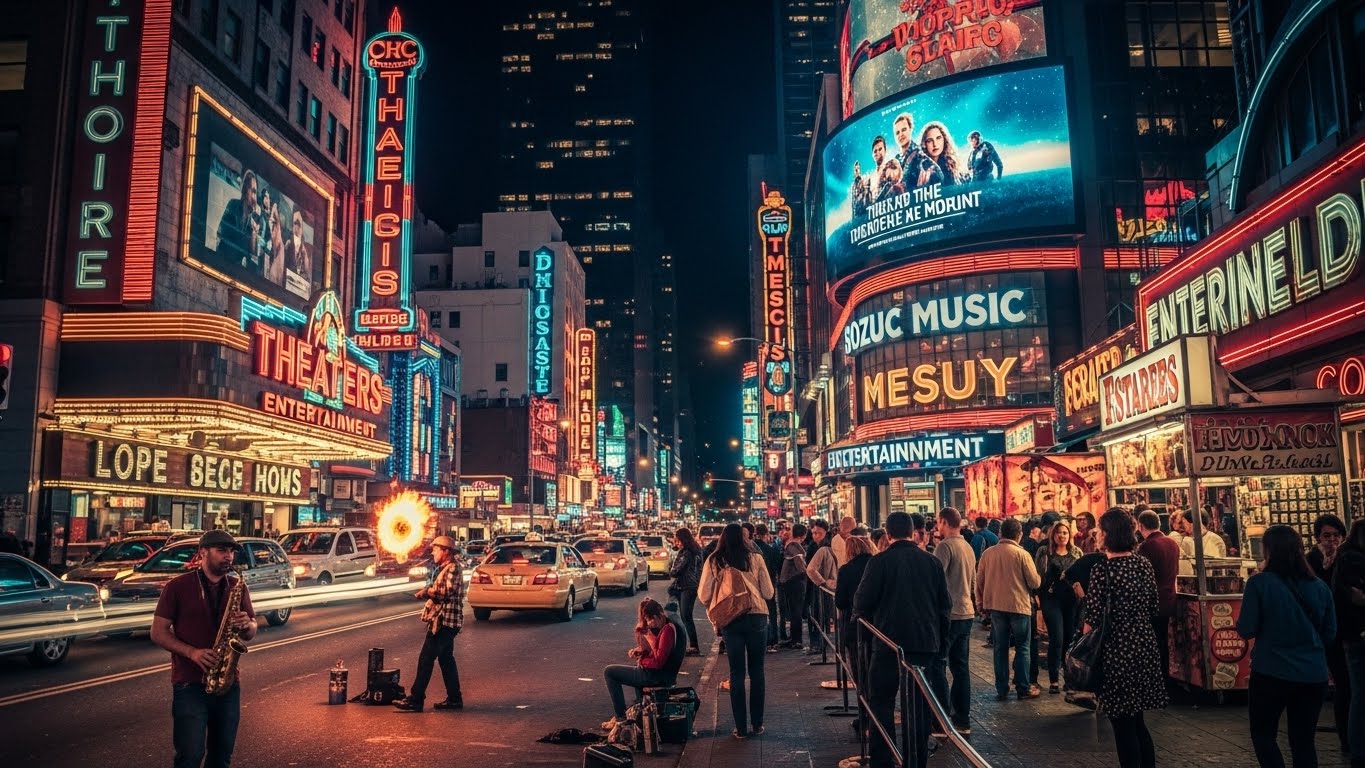
Entertainment has always played a central role in human culture, providing an escape, inspiration, and a platform for social connection. From ancient theater to today’s digital innovations, entertainment has evolved to meet the changing tastes and needs of society. The advent of new technologies and platforms has radically transformed the ways we consume and interact with entertainment. Whether it’s through streaming services, video games, social media, or live performances, entertainment in the 21st century is more diverse and accessible than ever before. This blog explores how entertainment has evolved in the digital age, its impact on culture, and how it continues to shape the way we experience the world.
The Rise of Streaming Platforms: A Revolution in Content Consumption
One of the most transformative changes in modern entertainment has been the rise of streaming platforms. In just over a decade, services like Netflix, Amazon Prime, and Hulu have revolutionized how we watch movies and TV shows. Gone are the days when audiences had to rely on fixed TV schedules or physical media like DVDs and Blu-rays. With streaming, viewers now have the power to choose what to watch, when to watch it, and from which corner of the world they want to explore content.
Streaming platforms have also democratized content production. In the past, studios and networks held the keys to distribution, but today, creators have the ability to reach global audiences directly through services like YouTube, Vimeo, and even Instagram. This has given rise to a new era of independent creators, who can share everything from short films to full-length documentaries with the world at the click of a button.
Furthermore, the rise of on-demand entertainment has changed our viewing habits. Binge-watching, once an unusual concept, has become the norm. Audiences are no longer constrained by weekly episode drops but can consume entire seasons of shows in one sitting. This has led to new storytelling techniques, such as multi-layered narratives and character-driven plots that require time for development, which would not have been possible in traditional TV formats.
Social Media as a New Frontier for Entertainment
Social media platforms have shifted the boundaries of entertainment in significant ways. What was once a space for personal connections and networking has evolved into a hub for entertainment content creation. Instagram, TikTok, Twitter, and YouTube are now home to millions of creators, influencers, and performers who build massive followings by sharing everything from comedic skits and dance routines to fitness tips and beauty tutorials.
The rise of influencers—individuals with large social media followings—has transformed the landscape of celebrity culture. Influencers have become powerful voices, often more relatable and accessible than traditional celebrities. This shift has led to new forms of entertainment that are more interactive and participatory. Social media platforms allow audiences to engage directly with their favorite content creators through comments, likes, shares, and live interactions. These platforms also enable the creation of viral trends and challenges that spread globally in a matter of hours.
TikTok, in particular, has revolutionized how we engage with short-form content. The app’s algorithm promotes a unique discovery feature, allowing users to quickly find new, trending content. Its short-video format has become a breeding ground for viral moments, with users across the world participating in trending challenges, creating memes, and influencing pop culture in real-time.
Gaming: A Multi-Billion Dollar Industry with Infinite Possibilities
In recent years, gaming has emerged as one of the most influential forms of entertainment. Video games have long been seen as a hobby, but today, they are a global cultural phenomenon. Gaming encompasses everything from mobile games to massive multiplayer online games (MMOs), as well as competitive esports leagues that draw millions of viewers.
Video games offer something that no other form of entertainment can: interactivity. In gaming, players don’t just consume content—they create it, shape it, and experience it in real time. The immersive, participatory nature of video games has contributed to their massive rise in popularity. Titles like Fortnite, Minecraft, and League of Legends have attracted millions of players who participate in virtual worlds where they can connect, collaborate, or compete with people from across the globe.
Esports, in particular, has emerged as a professional sport in its own right. Competitive gaming tournaments are now broadcast globally, with events like The International (the world championship for Dota 2) and League of Legends World Championship drawing in massive live audiences and millions of viewers online. The professionalization of esports has created a new avenue for entertainment, where players and teams compete for enormous prize pools, sponsorships, and fame.
Virtual Reality and Augmented Reality: The Next Frontier of Entertainment
As technology advances, new immersive experiences are transforming the entertainment landscape. Virtual Reality (VR) and Augmented Reality (AR) are two emerging technologies that are pushing the boundaries of how we engage with digital content.
Virtual Reality offers fully immersive digital environments that allow users to interact with and experience virtual worlds as if they were real. VR has already made a significant impact on gaming, with titles like Beat Saber and Half-Life: Alyx offering players a completely immersive experience. However, VR’s potential extends far beyond gaming. In the entertainment world, VR could transform cinema, live performances, and theme parks by creating fully interactive and immersive experiences that place the audience inside the story. VR concerts, virtual travel experiences, and live theater performances could revolutionize how we experience entertainment in the future.
Augmented Reality, on the other hand, overlays digital elements onto the real world. AR has already found its way into entertainment through mobile games like Pokémon Go, which encouraged players to explore the real world while interacting with digital creatures. In the future, AR could enhance live events, sports, and performances by providing additional layers of interactive content for audiences to engage with during the show.
Live Entertainment: The Power of Collective Experience
While digital entertainment has seen rapid growth, live performances continue to hold a special place in the hearts of audiences. There’s something uniquely powerful about attending a concert, theater performance, or sporting event, where the energy of the crowd and the immediacy of the experience create lasting memories. Live entertainment offers a sense of community and connection that digital formats can’t replicate.
The music industry, for example, thrives on live performances. Artists tour the world to perform in front of thousands of fans, creating a shared experience that fans often cherish for a lifetime. In response to global circumstances like the COVID-19 pandemic, the entertainment industry has adapted by bringing live events to digital platforms. Artists have streamed live concerts and theater productions online, offering audiences the chance to experience these events from the safety of their homes.
Despite the rise of virtual events, live entertainment continues to captivate audiences because of its authenticity. There is an undeniable energy that comes from being physically present in a space with others, and this remains one of the most powerful forms of entertainment.
The Cultural Influence of Modern Entertainment
Entertainment plays a pivotal role in shaping culture, influencing trends, and challenging societal norms. Music, movies, television shows, and video games reflect the issues, values, and interests of the times. Modern entertainment is a reflection of global society, and in many ways, it acts as a cultural mirror, presenting a view of the world that people can either embrace or critique.
For instance, films like Black Panther and Crazy Rich Asians have helped break down racial and cultural barriers in Hollywood, offering a more diverse representation of people and stories. Similarly, music genres like hip-hop and rap, which were once marginalized, are now a dominant force in global entertainment, influencing everything from fashion to politics.
The ability to communicate complex societal issues through entertainment has also grown. Films, documentaries, and television series are increasingly tackling important topics like climate change, social justice, and mental health, raising awareness and encouraging conversations that might otherwise be ignored.
Conclusion: The Future of Entertainment
The future of entertainment is both exciting and unpredictable. As technology continues to evolve, the ways in which we engage with and consume entertainment will continue to transform. The rise of streaming platforms, gaming, social media, and immersive technologies like VR and AR are creating new opportunities for creators and audiences alike.
While digital entertainment continues to dominate, live performances and human connection will always remain central to the experience. As we move forward, entertainment will become even more personalized, interactive, and inclusive, offering endless possibilities for creative expression and global collaboration. In this ever-evolving landscape, one thing remains certain: entertainment will continue to inspire, challenge, and bring people together, no matter how it is delivered.