
Introduction: Understanding Entertainment in Modern Life
Entertainment has been an essential part of human civilization for centuries. From the earliest storytellers who shared myths around fire to today’s global streaming platforms and interactive games, entertainment has continuously evolved. It is not merely a way to pass time; it is a reflection of culture, a source of emotional release, and a tool that connects people across distances and generations. Entertainment plays a vital role in shaping how we think, interact, and experience the world.
In today’s fast-paced society, entertainment is more diverse than ever. Movies, music, gaming, live performances, and digital content all serve as avenues for creativity and escapism. Each form offers unique ways to connect with audiences and reflect societal changes. This blog explores the evolution of entertainment, its various forms, and its impact on our lives.
The Evolution of Entertainment
The history of entertainment mirrors the evolution of human society. In ancient times, storytelling, music, dance, and theatrical performances were the primary forms of amusement. These communal activities helped transmit knowledge, share values, and create bonds within communities. People gathered together to watch performances, participate in rituals, or listen to oral traditions, making entertainment both social and educational.
With the advent of written language and printing, literature became a major source of entertainment. Books, plays, and poetry allowed stories to reach wider audiences, enabling personal engagement with ideas and imagination. Later, radio and television revolutionized how people consumed entertainment, bringing music, news, dramas, and variety shows into homes around the world.
The digital era has transformed entertainment yet again. Streaming platforms, video games, and social media allow people to access content instantly and personalize their experiences. Audiences can now consume entertainment on-demand, explore global content, and interact with creators in ways that were impossible in the past.
Movies and Television: Stories That Connect Us
Movies and television have long been pillars of entertainment. Films transport audiences to different worlds, evoke deep emotions, and offer reflections of society. Beyond amusement, movies often inspire cultural trends, influence fashion, and create conversations that resonate across generations.
Television has also evolved tremendously. From simple weekly broadcasts to high-quality serialized storytelling, television now rivals cinema in production value and narrative complexity. Binge-watching entire seasons has become a cultural phenomenon, allowing audiences to immerse themselves fully in stories.
Both movies and television serve as mirrors of society, highlighting social issues, human experiences, and cultural shifts. They are powerful tools for storytelling, offering insights into diverse perspectives while providing moments of escapism and entertainment.
The Universal Language of Music
Music is a form of entertainment that transcends boundaries. It is a universal language capable of expressing emotions that words alone cannot capture. From classical symphonies to contemporary pop, music has the power to inspire, comfort, and energize.
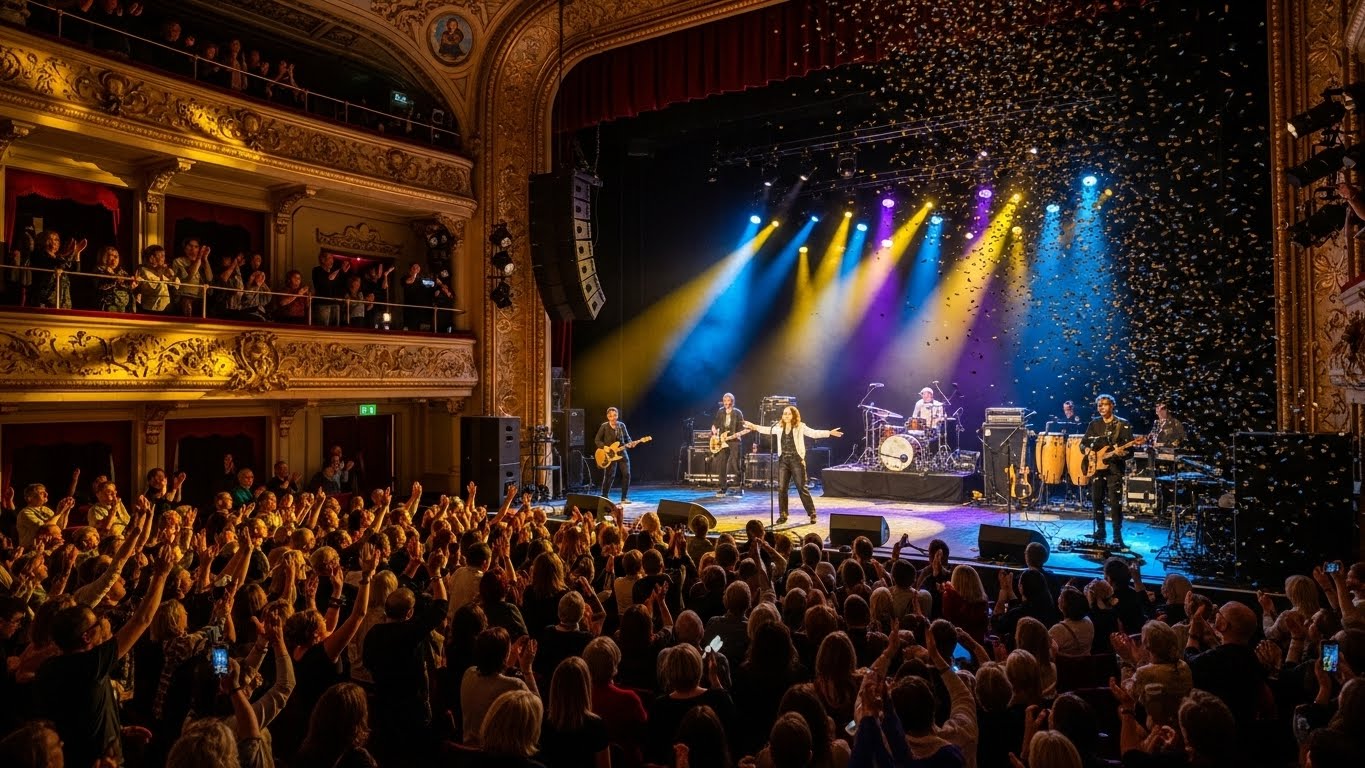
Live concerts create unique experiences, connecting audiences to performers in ways that recorded music cannot replicate. The energy of a crowd, the artistry of musicians, and the emotional resonance of a live performance make music one of the most immersive forms of entertainment. Music festivals further amplify this communal experience, bringing people together in celebration of creativity and shared passion.
Digital streaming platforms have revolutionized music consumption, providing instant access to songs and artists from across the globe. Listeners can explore different genres, discover independent artists, and curate personalized playlists. Music is not just entertainment; it is a source of emotional support, cultural identity, and personal expression.
Gaming: Entertainment in Motion
Video games have transformed entertainment into an interactive experience. Once a niche pastime, gaming has evolved into a major industry with sophisticated narratives, stunning graphics, and immersive worlds. Games allow players to engage actively, making choices that influence outcomes and shaping experiences uniquely for each player.
Multiplayer games foster collaboration and competition, connecting players worldwide. Esports has turned gaming into a spectator sport, with professional players achieving fame and tournaments drawing global audiences. Beyond recreation, gaming encourages problem-solving, creativity, and strategic thinking.
Virtual reality and augmented reality have pushed the boundaries even further, offering experiences that blur the line between reality and imagination. Players can explore fantastical worlds, embark on adventures, and engage with stories in ways previously unimaginable. Gaming is now a cornerstone of modern entertainment, appealing to audiences of all ages.
Digital Entertainment and Social Media Influence
Social media has changed the way people consume entertainment. Short videos, viral challenges, and interactive content allow audiences to participate actively rather than just observe. These platforms provide opportunities for ordinary individuals to become creators and influencers, reaching global audiences without the need for traditional industry channels.
Digital entertainment through social media has also expanded cultural diversity. Independent voices and niche content now reach international audiences, introducing new perspectives and ideas. The fast-paced, interactive nature of social media ensures that entertainment is immediate and constantly evolving.
However, this environment also presents challenges. The pressure to produce viral content and maintain relevance can be demanding for creators. Attention spans are shorter, and trends change rapidly. Despite these challenges, social media remains a powerful avenue for creative expression and global cultural exchange.
The Enduring Appeal of Live Entertainment
Live entertainment continues to hold a special place in human experience. Concerts, theater performances, comedy shows, and sports events provide the excitement of shared moments that cannot be replicated digitally. The atmosphere of a live event—the collective laughter, applause, or cheers—creates memories that last a lifetime.
Technological advancements have enhanced live experiences, integrating lighting effects, sound design, and interactive elements to make performances more immersive. Even virtual concerts and live-streamed theater events allow audiences to participate from anywhere, demonstrating the adaptability and enduring relevance of live entertainment.
Entertainment as a Reflection of Society
Entertainment is not merely for amusement; it is a reflection of culture and society. Movies, music, and games often highlight social issues, challenge norms, and offer commentary on human behavior. By engaging with entertainment, audiences gain insights into different perspectives, develop empathy, and understand broader societal dynamics.
Cultural traditions and identity are also preserved through entertainment. Music, dance, theater, and folklore allow generations to connect with heritage while modern adaptations introduce these traditions to wider audiences. Entertainment acts as a bridge between the past and the present, offering both continuity and innovation.
The Growth of Independent and Niche Content
Independent entertainment has flourished in the digital age. Advances in technology and online platforms have allowed creators to produce and distribute content without relying on major studios. Independent films, music, and art can now reach dedicated audiences directly, enabling original voices and ideas to thrive.
Crowdfunding and direct-to-audience platforms empower creators to maintain artistic freedom while engaging with fans globally. Niche content caters to specific interests, ensuring diversity in the entertainment industry. This shift has made the landscape more inclusive, dynamic, and creatively rich.
The Emotional and Psychological Impact of Entertainment
Entertainment plays a significant role in mental and emotional well-being. Engaging with stories, music, or games can relieve stress, inspire creativity, and provide comfort during difficult times. It allows individuals to escape reality temporarily while reflecting on human experiences and emotions.
Shared entertainment experiences strengthen social bonds. Discussing a movie, attending a concert, or playing a game together fosters connection, empathy, and a sense of community. Entertainment is therefore not just leisure—it is a fundamental aspect of emotional and social health.
The Future of Entertainment
The future promises even more exciting developments in entertainment. Virtual reality, augmented reality, and artificial intelligence are reshaping how audiences experience content. Interactive narratives, personalized experiences, and immersive worlds will redefine the boundaries of creativity and engagement.
Artificial intelligence is assisting creators in generating music, designing games, and producing videos, expanding the possibilities of storytelling. As technology evolves, entertainment will continue to innovate while remaining a vital source of inspiration, connection, and enjoyment.
Conclusion: Entertainment as a Lifelong Companion
Entertainment is more than a form of leisure. It is a reflection of human culture, creativity, and emotion. From ancient storytelling and live performances to modern digital platforms, entertainment enriches our lives, connects us with others, and inspires imagination.
As movies, music, gaming, and live experiences continue to evolve, the essence of entertainment remains constant: it sparks joy, fosters connection, and celebrates the creativity of the human spirit. In every era, entertainment serves as a testament to the power of imagination and the enduring desire to share stories, experiences, and emotions.