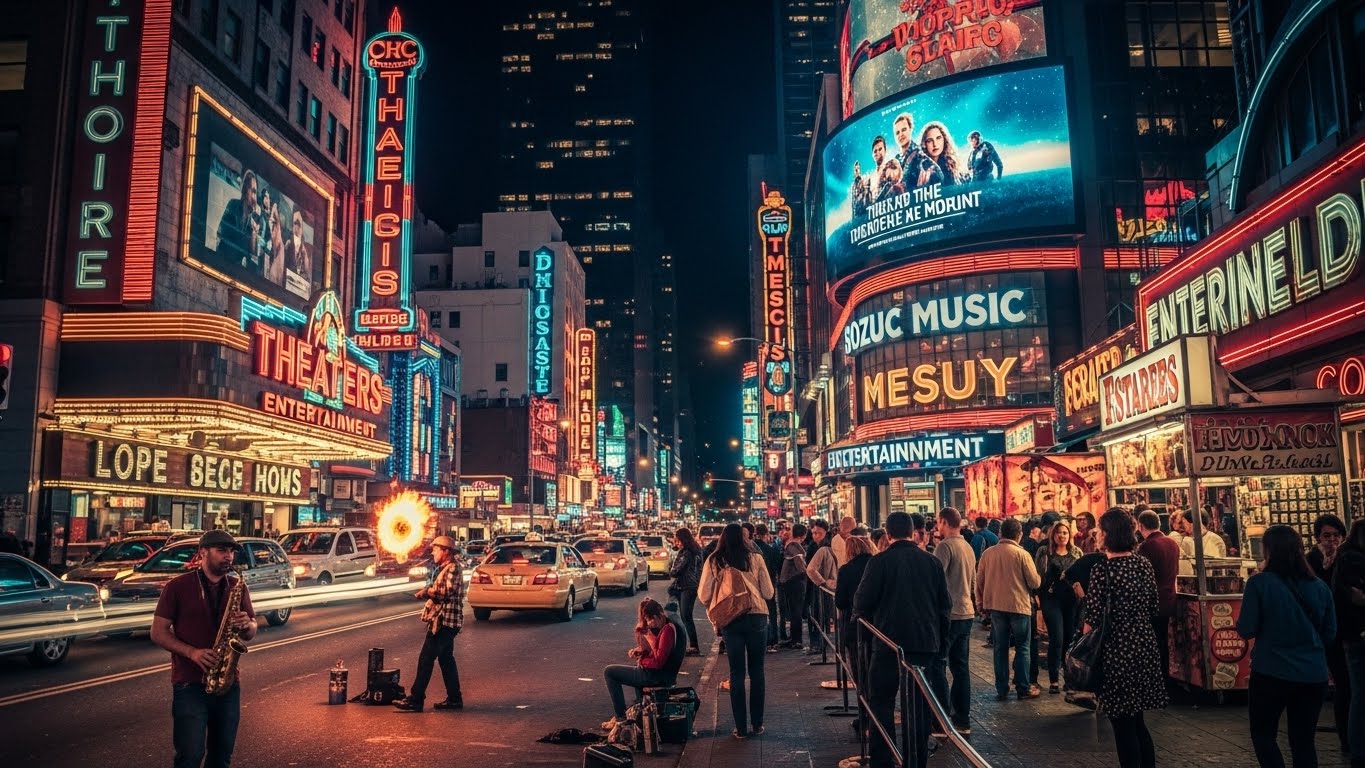
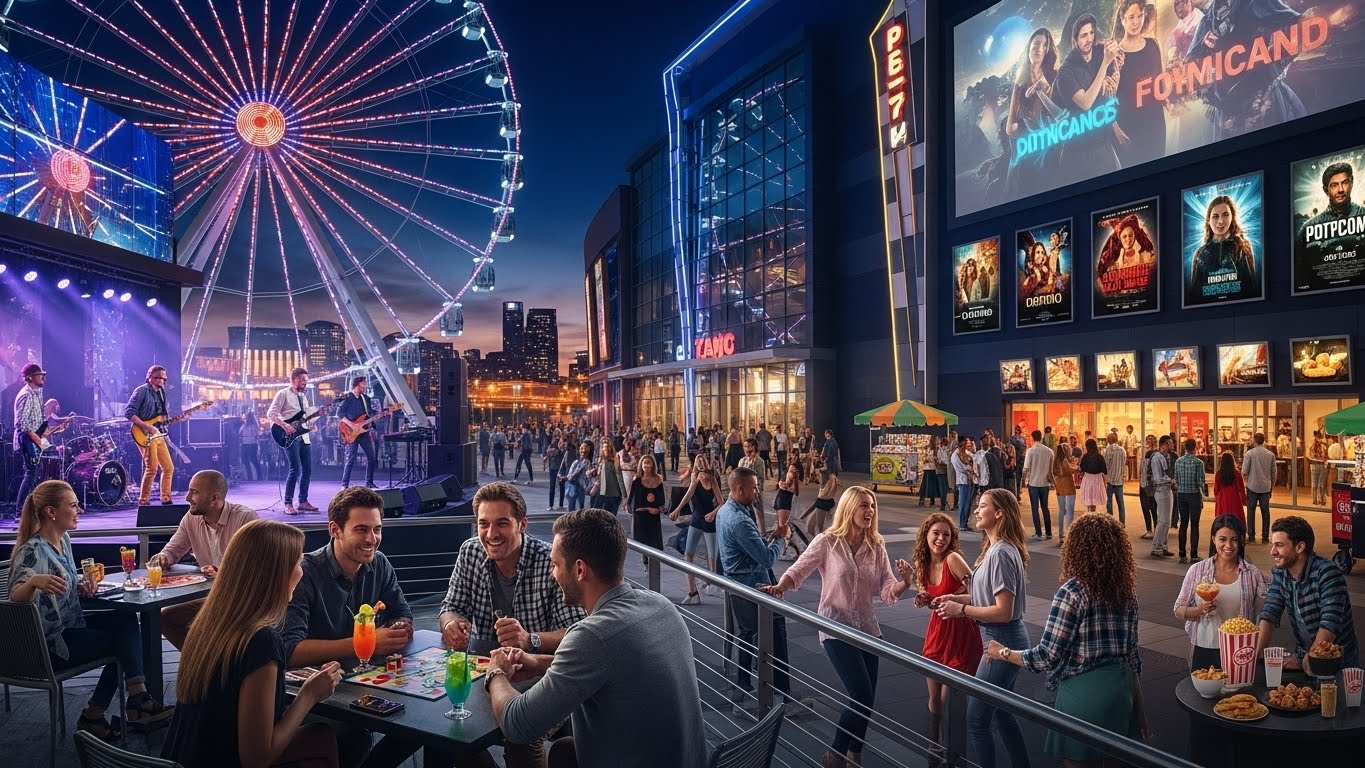
Entertainment has always been an integral part of human life, serving as a source of joy, inspiration, and connection. From ancient storytelling and theater to modern cinema, music, and digital platforms, entertainment reflects culture, values, and creativity. It has the power to evoke emotions, educate, and unite people across generations and geographies. In this blog, we explore the evolution of entertainment, its societal impact, technological influence, and the ways it continues to shape our daily lives and imagination.
The Evolution of Entertainment
Human fascination with entertainment dates back to ancient civilizations. Storytelling around campfires, ceremonial dances, and theatrical performances were among the earliest forms of entertainment. Ancient Greeks developed drama and theater as cultural rituals that explored human emotion, morality, and societal norms. Similarly, traditional music, dance, and festivals in various cultures reflected values, beliefs, and communal identity.
The advent of printed media, cinema, radio, and television transformed entertainment, making it more accessible to broader audiences. People could now experience stories, music, and performances beyond their immediate communities. The 21st century has brought digital platforms, streaming services, and interactive content, revolutionizing how entertainment is created, distributed, and consumed.
The Role of Entertainment in Society
Entertainment serves multiple purposes in society. It provides an escape from daily stress, offering relaxation, excitement, and immersion. Movies, television shows, video games, and music allow people to experience emotions and adventures they might not encounter in real life.
Beyond escapism, entertainment educates, informs, and inspires. Documentaries, educational shows, and socially-conscious content raise awareness about global issues, history, and culture. Comedy, satire, and performance art can challenge societal norms, provoke thought, and stimulate dialogue. Entertainment is thus both a reflection of society and a tool for shaping it.
Cinema and Storytelling
Cinema is one of the most influential forms of modern entertainment. Movies combine storytelling, visual art, music, and performance to create immersive experiences. They allow audiences to explore complex characters, dramatic plots, and imaginative worlds.
Film has the power to shape culture and influence perception. Classic movies, blockbuster franchises, and independent films alike have left lasting impressions on society, inspiring fashion, language, and social trends. The universal appeal of cinema demonstrates how storytelling, combined with technology, can transcend boundaries and resonate globally.
Music and Emotional Connection
Music is a universal form of entertainment that transcends language and culture. It evokes emotions, creates memories, and fosters social connection. From classical compositions to modern pop, rock, hip-hop, and electronic music, each genre reflects cultural identity and creativity.
Music also plays a vital role in personal expression and social movements. Artists use music to communicate messages, challenge norms, and bring communities together. Concerts, festivals, and live performances provide shared experiences, emphasizing the communal power of entertainment through sound.
Digital Entertainment and Gaming
The rise of digital platforms has transformed entertainment consumption. Streaming services, online videos, podcasts, and interactive gaming have created immersive and accessible experiences. Gaming, in particular, has evolved into a significant entertainment medium, combining storytelling, strategy, and social interaction.
Multiplayer games, virtual reality, and esports have introduced new ways for audiences to engage with content. Digital entertainment allows personalization, enabling users to select, schedule, and interact with their preferred media. Technology has thus expanded the scope and accessibility of entertainment, making it more immersive and interactive than ever.
Live Performances and Cultural Expression
Live performances, including theater, dance, concerts, and circus arts, provide unique entertainment experiences. Unlike recorded media, live events offer spontaneity, audience interaction, and a shared sense of presence. These experiences strengthen cultural identity, preserve traditions, and foster artistic innovation.
Theater and performance art often address societal issues, using creativity to provoke thought and dialogue. Dance and music reflect cultural heritage, while contemporary performances push artistic boundaries. Live entertainment emphasizes the power of human creativity and collective experience.
Entertainment and Technology
Technology has revolutionized how entertainment is created, distributed, and consumed. High-definition visuals, surround sound, virtual reality, and special effects have enhanced cinematic experiences. Digital platforms and streaming services allow instant access to vast libraries of content, breaking geographical barriers.
Artificial intelligence and data analytics help content creators understand audience preferences, personalize experiences, and optimize engagement. Social media and digital marketing amplify visibility and interaction, creating a dynamic relationship between creators and consumers. Technology ensures that entertainment remains innovative, immersive, and globally connected.
The Social Impact of Entertainment
Entertainment profoundly influences social behavior, norms, and values. It shapes perceptions of culture, identity, and morality while providing platforms for dialogue and self-expression. Television shows, films, music, and online content often address social issues, challenge stereotypes, and promote inclusivity.
Entertainment also fosters connection. Shared experiences, whether watching a film, attending a concert, or playing a multiplayer game, create social bonds. Communities form around common interests, fandoms, and cultural phenomena, illustrating the unifying power of entertainment.
Economic Influence of Entertainment
The entertainment industry is a significant driver of economic growth. Film production, music, gaming, and live events generate employment, tourism, and revenue streams worldwide. Streaming platforms and digital content have created opportunities for independent creators, opening markets beyond traditional gatekeepers.
Merchandising, advertising, sponsorships, and ticket sales contribute to a multifaceted ecosystem. Entertainment drives innovation in technology, marketing, and creative industries, demonstrating its economic and cultural significance in the modern world.
Education and Entertainment
Entertainment and education often intersect to create edutainment, a blend of learning and enjoyment. Educational television, interactive apps, gamified learning platforms, and documentaries engage audiences while imparting knowledge.
Interactive and immersive experiences enhance retention and understanding, making learning enjoyable and effective. Entertainment-based education encourages curiosity, critical thinking, and creativity, highlighting how media can inform and inspire while captivating attention.
Challenges in the Entertainment Industry
Despite its benefits, entertainment faces challenges. Content saturation, misinformation, and overconsumption can affect audience well-being. Issues such as representation, inclusivity, and ethical content creation require attention to ensure positive social impact.
The rise of digital piracy and unauthorized distribution also poses economic challenges for creators and production companies. Balancing creativity, accessibility, and ethical practices is essential for sustaining a healthy entertainment ecosystem that benefits both creators and audiences.
The Future of Entertainment
The future of entertainment is dynamic and filled with innovation. Virtual reality, augmented reality, and immersive experiences will redefine engagement, allowing audiences to interact with content in unprecedented ways. Artificial intelligence will personalize experiences, predict trends, and optimize storytelling.
Interactive and participatory entertainment will continue to expand, blending gaming, social media, and immersive experiences. Globalization and digital connectivity will make entertainment more accessible, diverse, and inclusive, ensuring that creativity continues to thrive across cultures and platforms.
Conclusion
Entertainment is more than a pastime; it is a reflection of human creativity, culture, and emotion. It entertains, educates, and connects, shaping society while inspiring imagination and personal growth. From ancient storytelling and live performances to digital platforms, gaming, and streaming services, entertainment continues to evolve, offering immersive and transformative experiences.
As technology advances and global audiences grow, entertainment will remain a powerful force that unites people, drives creativity, and influences culture. It reminds us of the importance of imagination, emotional connection, and shared experiences in enriching life, shaping societies, and inspiring generations to come.