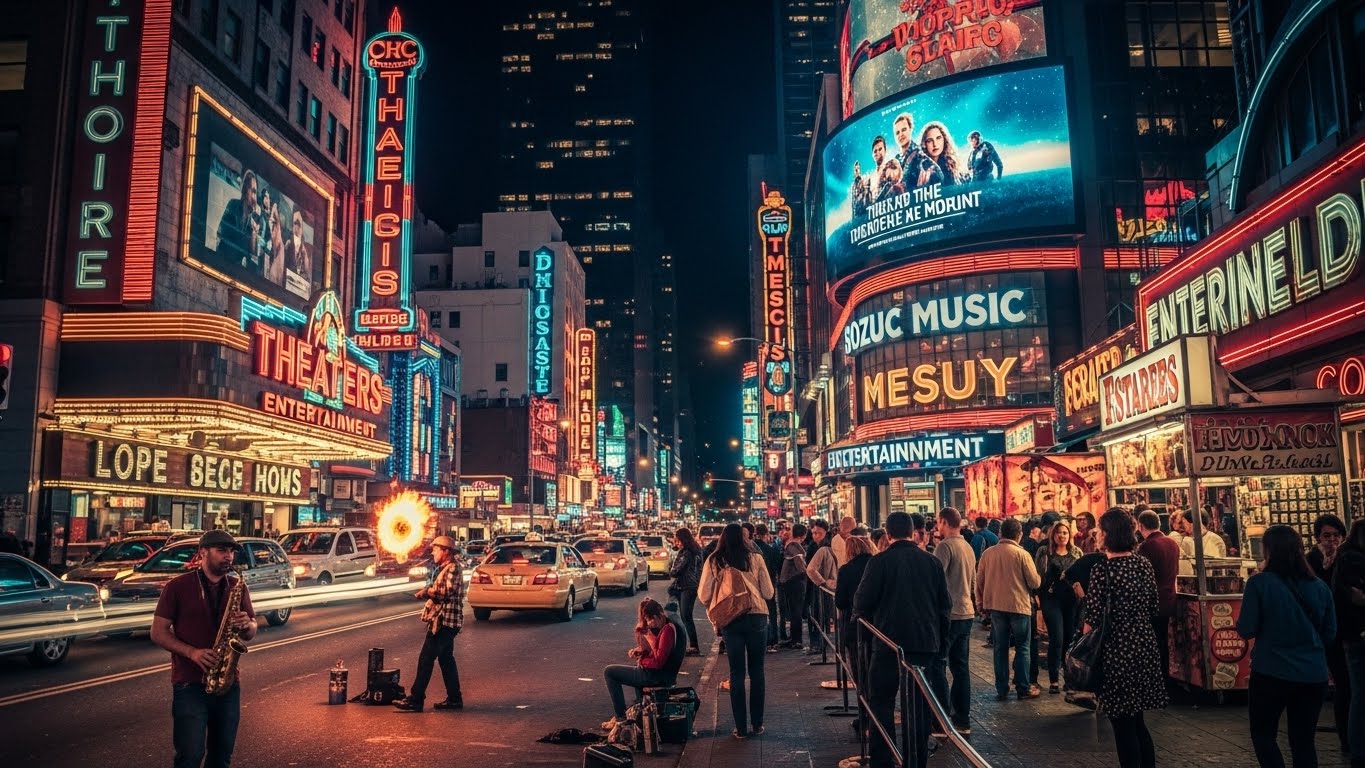
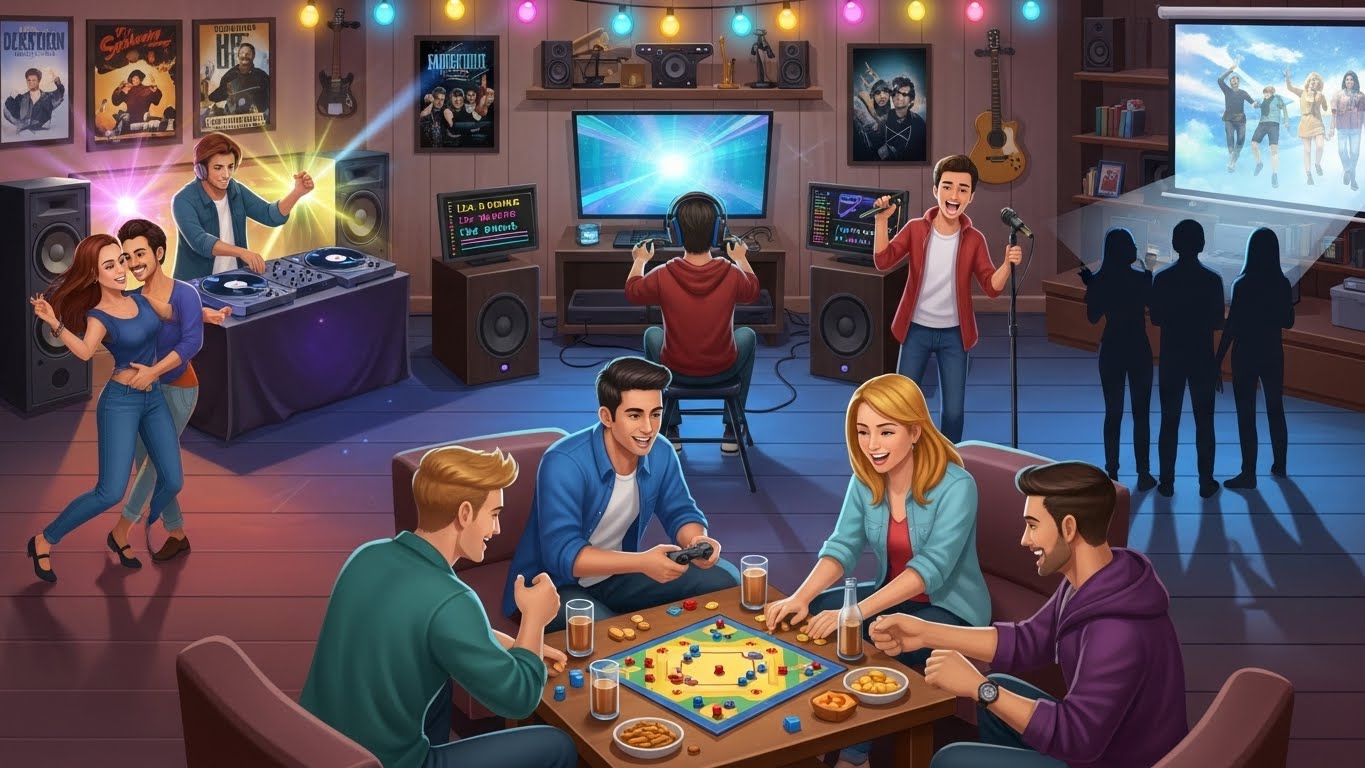
Entertainment, in its many forms, has been a cornerstone of human culture for centuries. From the simple pleasures of storytelling around a campfire to the modern marvels of digital streaming and virtual reality, entertainment has continuously adapted to the changing times. As we stand at the crossroads of technology and tradition, it’s worth exploring how entertainment has evolved, what trends are currently shaping it, and what the future holds for our endless pursuit of joy, excitement, and escapism.
The Golden Age of Television: A Revolution in Storytelling
Television has long been one of the most influential forms of entertainment. For decades, TV was the mainstay of households worldwide, providing everything from sitcoms and dramas to news programs and game shows. However, with the advent of the internet and the rise of streaming platforms like Netflix, Amazon Prime, and Disney+, the way we consume TV shows and movies has dramatically shifted.
The ‘Golden Age of Television’ is often used to describe the period in the early 21st century when television began to evolve into a more sophisticated medium. No longer were audiences limited to a few channels and pre-scheduled programming. The ability to binge-watch entire seasons of shows on demand opened up a new world of possibilities for viewers. Writers and producers were no longer constrained by the limitations of traditional TV schedules, leading to more complex, engaging, and often riskier storytelling.
From the rise of antiheroes in series like Breaking Bad to the groundbreaking narratives of Game of Thrones, this era has shown that television can compete with cinema in terms of quality, depth, and impact. The democratization of content, thanks to platforms like YouTube and TikTok, has also allowed independent creators to reach audiences in ways that were unimaginable a decade ago.
The Power of Streaming: The New Frontier of Entertainment
The streaming revolution has reshaped the entertainment landscape, affecting not only how we watch TV and movies but also how they are created. Streaming services offer an all-you-can-eat buffet of content, available at the touch of a button. Gone are the days of waiting for weekly episodes to air; now, viewers can access entire seasons or even series with a single click.
One of the major advantages of streaming is the ability to cater to niche audiences. Traditional TV networks were limited by broad appeal, but streaming platforms have given rise to more specialized content. Shows and movies that may not have had a chance on mainstream channels are now able to thrive. Documentaries, international films, experimental narratives, and genre-specific content are finding new homes in the digital world.
Moreover, the business models behind streaming have led to innovative approaches to production. The demand for fresh content has led to an increase in original programming, with companies like Netflix, Amazon, and Apple investing billions into creating their own exclusive content. This has led to a wave of high-quality productions that rival those of traditional Hollywood studios.
Gaming: From Casual Pastime to Cultural Phenomenon
Video gaming has evolved from a niche hobby into a global entertainment powerhouse. What was once considered a pastime for “geeks” or “nerds” is now an integral part of mainstream culture. With millions of active players and a massive global community, gaming has transcended its role as mere entertainment and has become a social experience, a competitive sport, and even a form of art.
The growth of eSports has elevated gaming to a competitive level, with professional players and teams battling it out in front of live audiences and streaming to millions online. Games like Fortnite, League of Legends, and Valorant have turned gaming into a spectator sport, with events drawing in viewers who are as passionate about watching the action as traditional sports fans are about football or basketball.
The development of virtual reality (VR) and augmented reality (AR) technologies is pushing gaming into new, immersive realms. Titles like Half-Life: Alyx and Beat Saber are demonstrating the potential of VR, allowing players to step directly into virtual worlds and interact with them in ways never before possible. With the increasing accessibility of VR headsets and the rise of AR applications, gaming is on the verge of becoming an even more immersive and interactive experience.
The Future of Music: The Digital Revolution and AI Integration
Music has always been a vital part of entertainment, evolving in tandem with technology and societal shifts. From the rise of recorded music to the birth of streaming platforms like Spotify and Apple Music, the music industry has undergone significant transformations over the past few decades.
The digital age has drastically changed how we consume music. Physical albums have largely been replaced by digital downloads and streaming services, and playlists have taken the place of traditional albums. In a way, we are witnessing the democratization of music, where independent artists can release their music globally without the need for a record label.
But the biggest shift on the horizon may be the integration of artificial intelligence (AI) in the music industry. AI is already being used to generate music, help artists compose, and even recommend songs tailored to individual tastes. While AI-generated music may not yet rival the work of human artists, it is beginning to influence the way music is produced and consumed.
Platforms like Amper Music and OpenAI’s Jukedeck are making it easier for anyone to create original music. This opens up possibilities for creators from all walks of life to engage with music in new ways. As AI continues to improve, it could lead to even more personalized music experiences, where your playlist adapts in real-time to your mood or activity.
The Rise of Virtual and Augmented Reality in Entertainment
Virtual and augmented reality are not just the future of gaming but also the next frontier in entertainment as a whole. VR and AR technologies promise to create immersive experiences that were once the stuff of science fiction. Whether it’s attending a concert virtually, touring an art exhibit from the comfort of your home, or stepping into the world of your favorite TV show, these technologies are poised to redefine what we think of as entertainment.
In the world of live events, VR has the potential to revolutionize how we experience concerts, theater performances, and sporting events. Imagine attending a live music concert without leaving your living room, or exploring a 3D recreation of a historic landmark while sitting in a chair. AR can also enhance traditional experiences by overlaying digital elements onto the physical world, creating interactive exhibitions and more engaging ways to consume content.
For now, the technology is still in its infancy, but as the hardware becomes more affordable and the software more sophisticated, it’s likely that VR and AR will play an even larger role in the future of entertainment.
Social Media and User-Generated Content: A New Era of Influence
Social media has fundamentally altered the entertainment industry. Platforms like Instagram, TikTok, YouTube, and Twitter allow users to create and share content with an audience far larger than what would have been possible in the past. Today, ordinary people can become influencers, celebrities, and trendsetters without ever stepping into a traditional entertainment industry.
User-generated content (UGC) has become one of the most important forces in the entertainment world. TikTok has given rise to viral trends, memes, and challenges that shape pop culture on a daily basis. YouTube creators can build entire careers out of their channels, producing everything from comedy skits to educational content. Platforms like Twitch allow gamers to stream their gameplay to millions of viewers, blending entertainment with interactivity.
This shift has also led to a new kind of entertainment ecosystem where audiences are not just passive consumers but active participants. Viewers can comment, share, remix, and engage with content in real-time, blurring the lines between creator and consumer.
The Future of Entertainment: Artificial Intelligence and Beyond
Looking ahead, it’s clear that technology will continue to shape and redefine entertainment in ways we can only begin to imagine. Artificial intelligence, machine learning, and even biotechnology could radically change how we experience entertainment in the future.
Imagine AI-generated movies or TV shows that adapt to your preferences as you watch, or video games that learn from your playing style and evolve accordingly. Advances in neurotechnology might allow us to experience stories directly in our minds, bypassing traditional media altogether. While these ideas might seem far-fetched today, they’re already on the drawing board.
Entertainment, after all, is about engaging the human spirit and pushing the boundaries of imagination. As technology progresses, so too will the ways we experience joy, sorrow, laughter, and excitement. Whether it’s through more sophisticated streaming, interactive gaming, or entirely new forms of media, the entertainment of tomorrow will be as diverse and dynamic as the world itself.
Conclusion
The world of entertainment is always in flux, driven by technological advancements, cultural shifts, and the ceaseless desire for innovation. What started as a simple way to pass the time has transformed into a multi-faceted global industry, touching every corner of our lives. From the rise of streaming and gaming to the future possibilities of VR, AR, and AI, the entertainment landscape is rapidly evolving.
As audiences, we are fortunate to be living in a time of unprecedented access to diverse forms of entertainment. What we experience today is only the beginning, and the future promises even more exciting developments. One thing is certain: the quest for connection, escape, and joy will continue to drive the entertainment industry, ensuring that the magic of storytelling, music, games, and digital worlds remains an integral part of our lives for generations to come.