Introduction: A New Era of Escape
Entertainment has always been a window into worlds beyond our own, but in today’s rapidly evolving landscape, it has transformed into something far more immersive and influential. From cinematic universes that span decades to interactive video games that let us sculpt our own stories, modern entertainment gives us a place to escape, explore, and express ourselves. In this blog, we journey into the heart of today’s entertainment culture, discovering how it shapes our imagination, emotions, and even our daily lives.
The Rise of Immersive Storytelling
In the early days of entertainment, stories were often simple, linear, and limited by technology. Today, creators craft sprawling narratives with rich characters, unexpected twists, and deeply layered themes. Whether it’s an epic fantasy series, a long-running franchise, or a role-playing game that adapts to player choices, the modern audience expects more than passive amusement. They expect to feel involved.
This rise of immersive storytelling stems from the audience’s desire to escape into alternate realities. The more detailed and emotionally resonant the world, the stronger the connection between viewer and story. As a result, entertainment has become a tool for empathy, allowing us to experience life through diverse perspectives we might otherwise never encounter.
Streaming Platforms and the Return of Choice
Gone are the days when we waited all week for a new episode to air on television. Today, streaming platforms put entire seasons at our fingertips, giving viewers complete control over the pace of their entertainment. The binge-watch culture has reshaped how stories are written, consumed, and discussed.
This shift has also revived the concept of personalized entertainment. Algorithms analyze our choices and recommend shows, films, and documentaries tailored to our tastes. While some argue this limits variety, it undeniably enhances convenience. Audiences no longer browse endlessly; they discover content they are statistically likely to enjoy. The result is a more efficient and satisfying entertainment experience.
Gaming: The New Frontier of Creativity
Video games have evolved from simple puzzles into cinematic, emotionally rich adventures that rival blockbuster movies. Modern games combine stunning graphics, compelling narratives, complex character arcs, and player agency. Unlike passive forms of entertainment, games require active participation, building a unique bond between player and story.
Gaming also fosters social connection. Multiplayer platforms, virtual worlds, and cooperative missions bring people together from across the globe. For many, gaming has become a form of social life, teamwork practice, and even emotional support. In a world where digital interaction is increasingly normalized, games serve as bridges between people, cultures, and ideas.
Music as a Universal Language
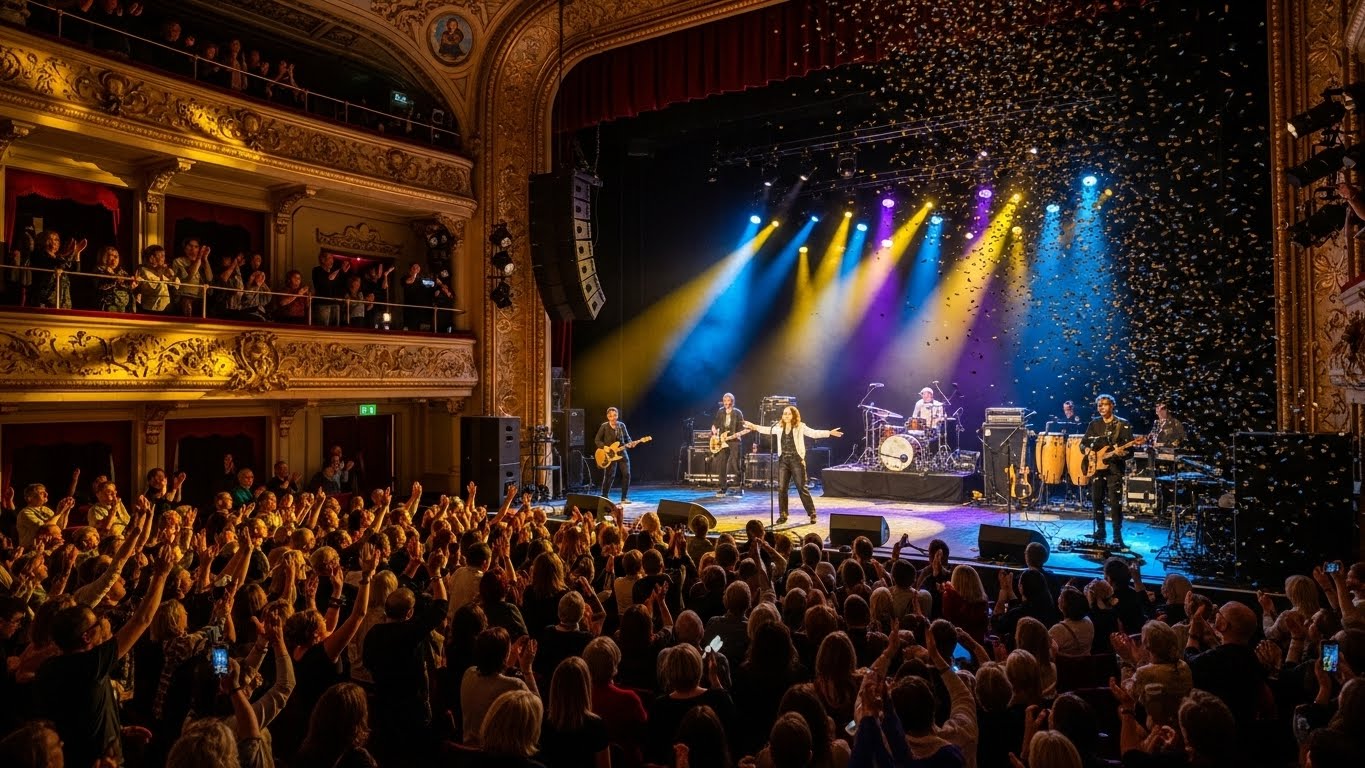
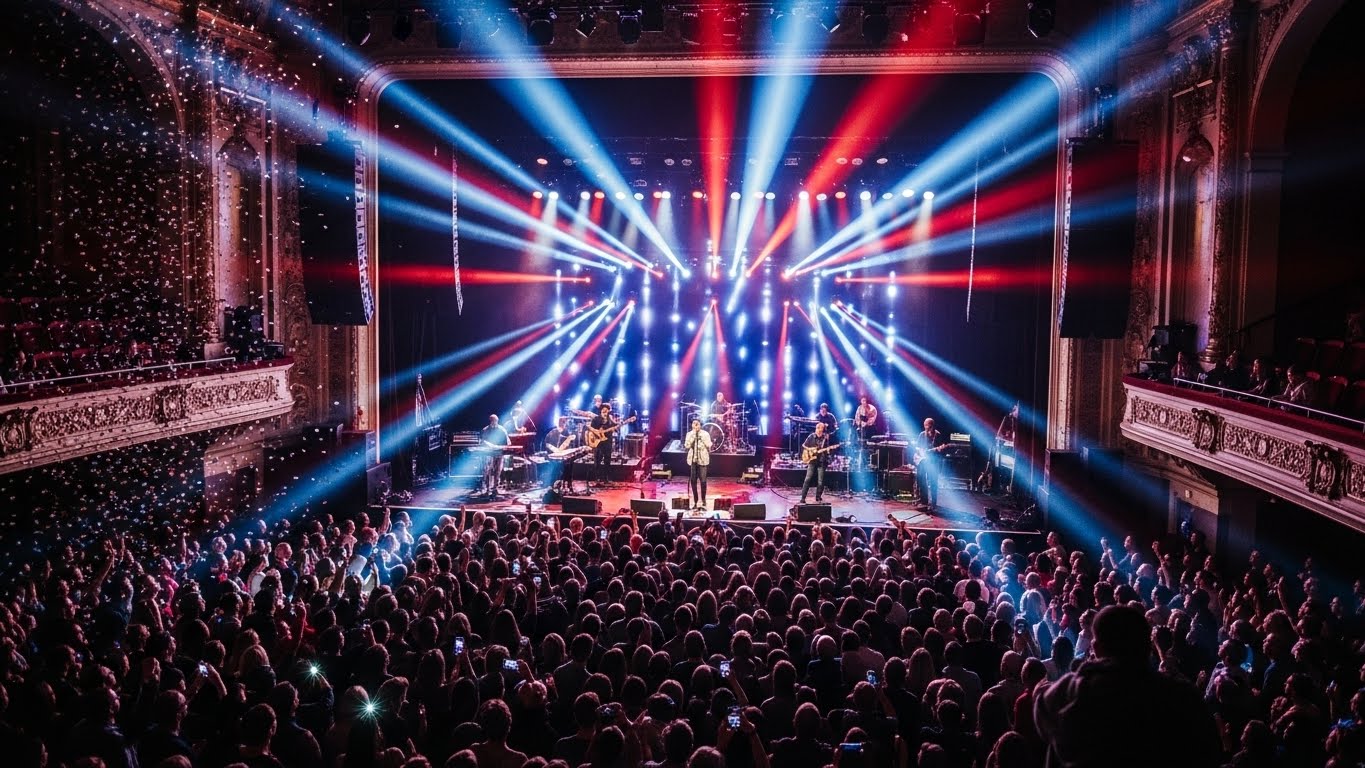
Though entertainment trends come and go, music remains a timeless force. Modern production techniques allow artists to experiment with genres, vocal effects, and global influences, creating fresh sounds that connect with diverse audiences. Social media platforms amplify this impact, turning emerging artists into global sensations overnight.
But beyond trends, music continues to serve its deeper purpose: expression. It helps us celebrate, grieve, focus, and heal. Music relates to our emotions with an honesty few other forms of entertainment can match, making it one of the most powerful cultural connectors today.
The Evolution of Celebrity Culture
Social media has blurred the lines between celebrities and their audiences. Today’s entertainers maintain a level of relatability that was impossible in past generations. Fans no longer experience their idols from a distance; they witness their daily routines, behind-the-scenes moments, and personal struggles.
While this transparency fosters connection, it also introduces challenges. The pressure to maintain a public image, the scrutiny of millions of followers, and the rapid spread of rumors can be overwhelming. Yet, this shift has also inspired a new wave of creators who build careers around authenticity, proving that entertainment is about more than polished perfection.
The Power of Nostalgia in Modern Entertainment
Reboots, remakes, retro designs, and callbacks to iconic eras dominate today’s entertainment landscape. Nostalgia brings comfort, especially in times of cultural uncertainty. Audiences find joy in reconnecting with the characters, themes, and aesthetics that shaped their childhoods.
However, nostalgia-driven entertainment is more than recycled content. Creators often blend old ideas with new perspectives, offering fresh interpretations that resonate with modern audiences. This fusion of old and new ensures that entertainment remains timeless, evolving while still honoring its roots.
Technological Innovations That Redefine Fun
Technology has become entertainment’s greatest collaborator. Virtual reality transports users to immersive worlds, augmented reality overlays digital elements onto the real world, and artificial intelligence enhances creativity through music generation, animation, and storytelling tools.
These innovations provide creators with new ways to challenge traditional boundaries. They also give audiences experiences that were once unimaginable. As technology continues to advance, the entertainment of tomorrow may be entirely different from what we enjoy today, but the essence will remain: stories, emotion, and connection.
Social Media and the Transformation of Trends
Social media has become a powerhouse in shaping entertainment trends. A clip, soundbite, dance challenge, or short-form video can become viral within hours, influencing what people watch, listen to, and talk about. This rapid pace of cultural exchange keeps the entertainment world buzzing with creativity.
Creators who once struggled to gain visibility now have platforms to showcase their talent to global audiences. At the same time, the audience plays an active role in shaping what becomes popular. In this new ecosystem, entertainment is no longer top-down; it’s a collaborative process between creators and consumers.
The Emotional Impact of Entertainment
Beyond its visual and auditory appeal, entertainment affects us emotionally. A powerful story can inspire hope, a comedy show can ease stress, a song can lift our spirits, and a gripping drama can spark meaningful reflection. Entertainment acts as a companion during difficult times and a celebration during joyful ones.
For many, entertainment becomes part of their identity. The shows we watch, the games we play, the music we enjoy, and the artists we admire become expressions of our personality and values. This emotional connection is what makes entertainment so influential and memorable.
Balancing Entertainment and Real Life
While entertainment enriches our lives, balance is essential. With endless content available, it’s easy to immerse ourselves completely. But entertainment is most powerful when enjoyed in moderation, allowing it to inspire creativity and relaxation without overshadowing real-world experiences.
Healthy boundaries ensure that entertainment remains a source of joy rather than distraction. Taking breaks, exploring new hobbies, and engaging in conversations beyond screens help maintain a grounded lifestyle.
Conclusion: The Ever-Evolving World of Wonder
Entertainment continues to evolve, shaping not only how we spend our free time but also how we think, feel, and connect with one another. Whether through films that spark imagination, games that build communities, music that speaks to the soul, or stories that reflect our world, entertainment remains a vibrant part of human culture.
As technology grows and creativity expands, the future of entertainment holds limitless possibilities. Yet one thing remains unchanged: our deep-rooted desire to experience wonder. And as long as that desire exists, entertainment will continue to transform, inspire, and bring magic into our lives.