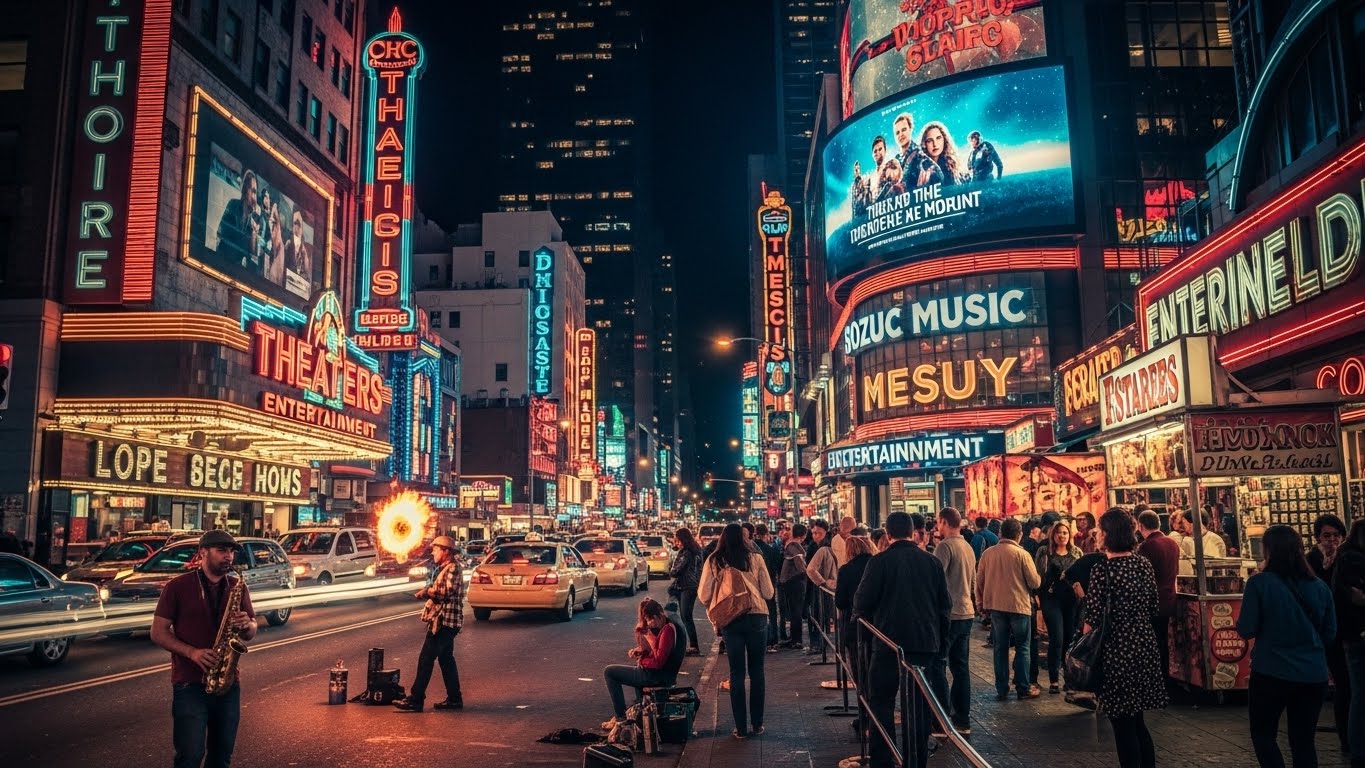
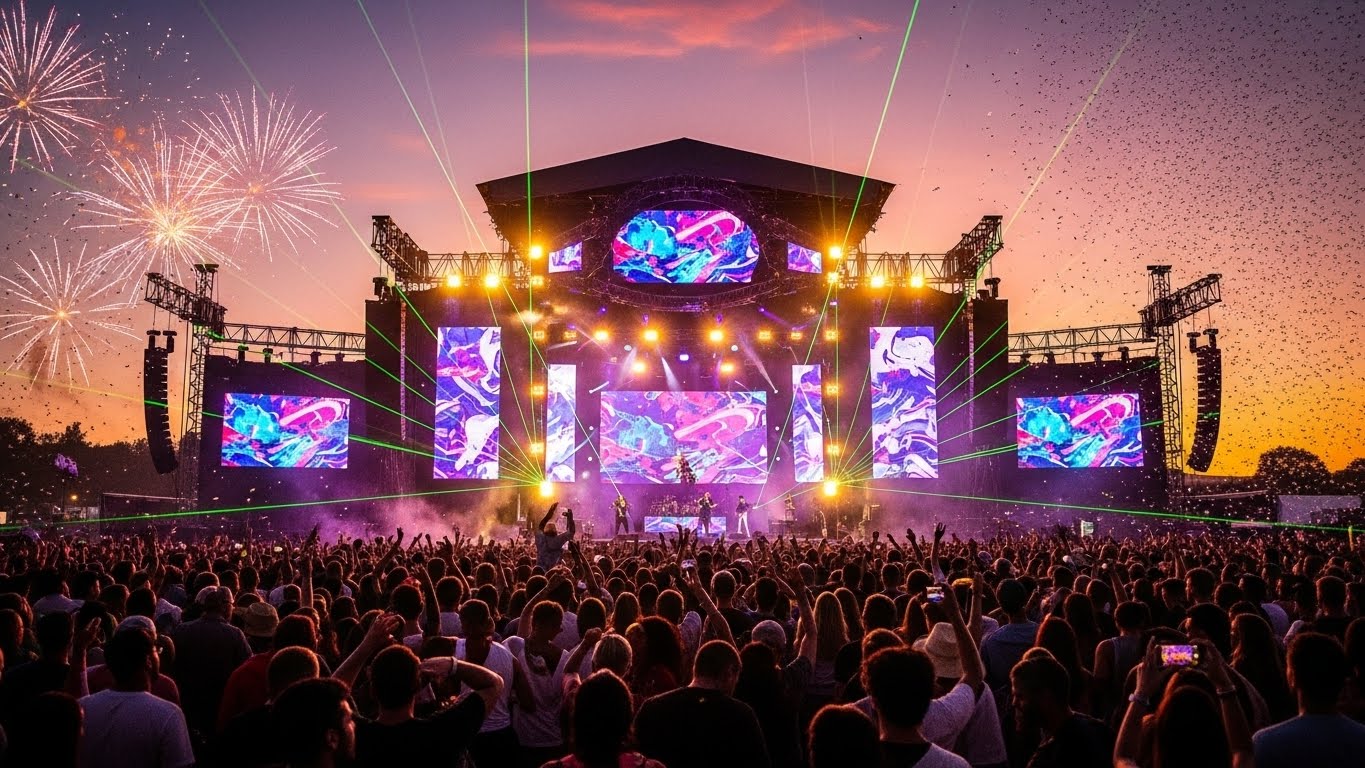
Entertainment, in its many forms, has long been a cornerstone of human culture. From the ancient art of storytelling around a campfire to today’s cutting-edge digital experiences, entertainment has continuously evolved. It serves as a reflection of society, a means of escape, and a source of connection for people around the world. This post will explore the evolution of entertainment, its impact on society, and where it’s headed in the future.
The Beginning: Ancient Forms of Entertainment
The roots of entertainment can be traced back to ancient civilizations, where it was primarily a communal experience. Early forms of entertainment were largely oral, with storytelling, music, and performance playing a crucial role in social cohesion. Ancient Greek plays, for example, are some of the earliest known forms of theatrical entertainment, with playwrights like Sophocles and Aristophanes creating works that continue to influence modern theater.
Music, too, has always been an essential form of entertainment. The earliest musical instruments were rudimentary, made from bone and wood, but they played an important role in rituals and celebrations. Over time, music evolved to become a performance art, with composers like Bach, Beethoven, and Mozart creating timeless pieces that continue to resonate with audiences today.
In these early periods, entertainment was often tied to religious or societal events, whether it was a theatrical performance in a grand amphitheater or music performed during a royal feast. These forms of entertainment were integral to building communal identity and providing an outlet for cultural expression.
The Birth of Modern Entertainment: The Industrial Revolution
Fast forward to the 19th century, and the Industrial Revolution brought about significant changes to entertainment. As new technologies emerged, so did new forms of entertainment. The invention of the printing press, for example, allowed literature to be mass-produced, making books, newspapers, and magazines more accessible than ever before. This led to a boom in reading culture, with the likes of Charles Dickens, Mark Twain, and Jane Austen captivating audiences with their novels.
The birth of cinema at the turn of the 20th century marked another monumental shift in entertainment. The Lumière brothers, with their invention of the moving picture, forever changed the way people consumed stories. Silent films were the first medium to offer a truly visual form of storytelling, creating an entirely new world of imagination for audiences to explore. Hollywood soon became the global hub for this new form of art, with stars like Charlie Chaplin, Greta Garbo, and Humphrey Bogart becoming household names.
As the 20th century progressed, radio and television became staples of daily life, offering a constant stream of entertainment from the comfort of people’s homes. Radio shows like The Shadow and Orson Welles’ War of the Worlds captured listeners’ imaginations, while television introduced people to a new kind of communal entertainment, with shows like I Love Lucy and The Twilight Zone becoming cultural touchstones.
The Digital Age: Entertainment at Your Fingertips
The advent of the internet in the late 20th century brought about another seismic shift in the entertainment landscape. With the rise of personal computers, and later smartphones, entertainment was no longer confined to television or cinema. The internet democratized content creation, allowing anyone with a camera and an internet connection to share their ideas with the world.
The 2000s saw the explosion of digital media platforms like YouTube, where ordinary people could create videos that might go viral and reach millions of viewers. This gave birth to the “YouTuber” culture, where influencers gained fame by sharing personal stories, offering tutorials, and showcasing their unique skills. These creators broke away from traditional media, bringing entertainment closer to the audience in a more personal and authentic way.
Meanwhile, streaming services like Netflix, Hulu, and Amazon Prime disrupted the traditional television industry by offering on-demand access to movies and TV shows. No longer dependent on scheduled programming or VHS tapes, viewers could now watch whatever they wanted, whenever they wanted. Netflix’s transition from a DVD rental service to a streaming powerhouse and its subsequent production of original content, like Stranger Things and The Crown, redefined how we consume television and film.
The rise of mobile gaming apps, like Angry Birds and Pokémon GO, further shifted the entertainment paradigm. Instead of sitting in front of a TV screen, entertainment could now be experienced on-the-go. The gamification of everyday life has become a key feature of modern entertainment, with players able to interact with virtual worlds anytime, anywhere.
The Changing Role of Social Media in Entertainment
As social media platforms like Facebook, Instagram, Twitter, and TikTok have grown in prominence, they have increasingly become an essential part of the entertainment landscape. These platforms have blurred the lines between professional entertainers and everyday people, creating a space where anyone can engage in content creation. Social media influencers now play a critical role in shaping popular culture, with their reach rivaling that of traditional celebrities.
Platforms like TikTok, which are built around short-form, viral content, have revolutionized the way people interact with entertainment. Trends, challenges, and memes spread quickly across these platforms, influencing music charts, fashion, and even politics. In this new age of digital entertainment, the power of viral content has given rise to an entirely new form of celebrity — one that is often ephemeral and driven by the audience’s whims.
Moreover, social media has allowed for a more interactive form of entertainment. Live-streaming platforms like Twitch have turned video games into a spectator sport, where viewers can watch their favorite gamers in real-time, chat with them, and even donate money. This sense of community has further evolved the idea of entertainment, where fans can engage directly with creators, participate in live discussions, and even influence content.
The Rise of Interactive Entertainment: Gaming, VR, and AR
As technology continues to evolve, interactive forms of entertainment are gaining popularity. Video games, in particular, have grown to become one of the most significant forms of entertainment globally. From simple arcade games to massive open-world experiences like The Witcher 3 and Grand Theft Auto V, gaming has evolved from a hobby to a cultural force. With the rise of eSports, gaming has transformed into a professional industry, with millions of viewers tuning in to watch tournaments.
Virtual reality (VR) and augmented reality (AR) are taking interactive entertainment even further. VR allows users to immerse themselves in completely digital worlds, where they can interact with the environment and characters in real time. Games like Beat Saber and Half-Life: Alyx offer experiences that are radically different from traditional gaming, transporting players into new realities.
AR, on the other hand, blends the digital and physical worlds. Games like Pokémon GO have shown the potential of AR to change how we interact with our surroundings. Through the use of smartphones or AR glasses, users can see digital objects layered over the real world, creating an interactive experience that is both immersive and grounded in reality.
These technologies offer a glimpse into the future of entertainment, where the boundaries between the digital and physical worlds become increasingly blurred. As VR and AR continue to develop, we can expect more sophisticated and immersive experiences that push the limits of what entertainment can be.
Entertainment’s Influence on Society: Reflection and Change
Entertainment is not just about escapism; it plays a vital role in reflecting and shaping society. Throughout history, entertainment has often mirrored the prevailing social and political climate, offering commentary on issues ranging from war to civil rights. Movies, TV shows, and music have long been used as tools for social change. Films like Schindler’s List and 12 Years a Slave tackle difficult historical issues, while music by artists like Bob Dylan and Kendrick Lamar addresses themes of social justice.
Moreover, entertainment has always been a tool for societal bonding. Shared experiences, whether at the movie theater, concert venue, or in front of the TV screen, create a sense of community. In recent years, the rise of fandoms and online communities has shown how entertainment can bring people together across geographical and cultural divides. From Star Wars enthusiasts to Game of Thrones fans, these communities form around shared passions, sparking conversations and collaborations that transcend the screen.
The Future of Entertainment: What Lies Ahead?
The future of entertainment is poised to be even more dynamic and innovative. As technologies like AI, 5G, and machine learning continue to advance, entertainment will become more personalized and interactive. AI-generated content could one day allow users to customize their own shows or movies, creating narratives that are unique to each viewer.
The rise of immersive technologies like VR and AR will continue to transform the entertainment landscape, providing increasingly sophisticated ways for people to engage with content. Imagine a future where live concerts, theater performances, and even theme park experiences are enhanced with VR, creating experiences that are far beyond what is possible today.
Furthermore, the convergence of different entertainment mediums — film, music, gaming, social media — will likely lead to new, hybrid forms of entertainment. We may see more projects that blend traditional filmmaking with interactive gaming elements, creating a new kind of narrative experience where the audience actively participates in shaping the story.
Conclusion: Entertainment in the 21st Century and Beyond
From its ancient roots to its modern digital iterations, entertainment has continuously evolved, adapting to new technologies and reflecting the changing needs of society. Today, it is a multi-faceted industry that offers a wealth of experiences, from passive viewing to active participation. Entertainment has become a global language, connecting people across borders and cultures, while also offering new opportunities for creators to share their voices.
As technology continues to advance, the future of entertainment holds endless possibilities. One thing is certain: entertainment will continue to be a crucial part of our lives, shaping our identities, sparking creativity, and providing us with a sense of connection in an increasingly digital world.