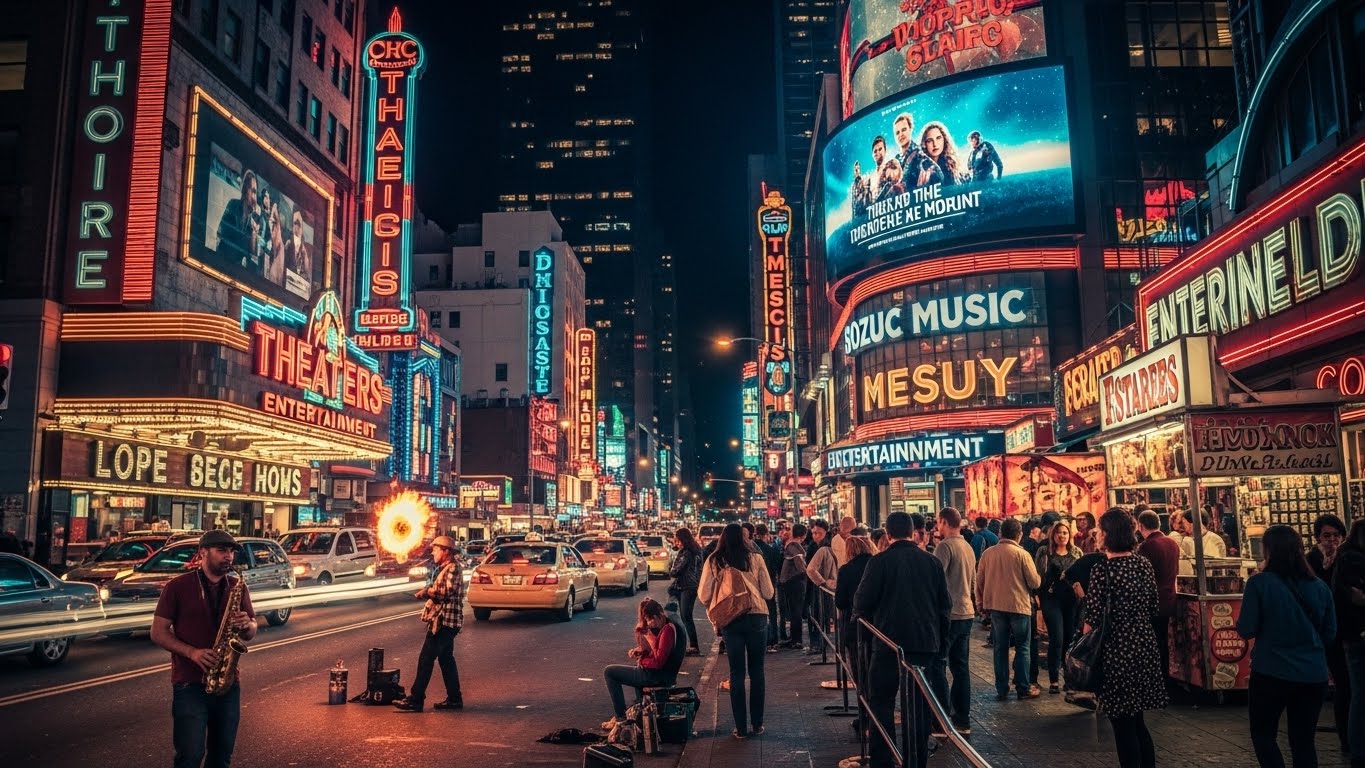

Entertainment has been an integral part of human society for millennia, evolving alongside changes in culture, technology, and societal needs. From the days of cave paintings and oral storytelling to the digital streaming era, the entertainment industry has constantly adapted to new formats and technologies, shaping how we consume and engage with media. This blog explores the dynamic world of entertainment, its evolution, and the emerging trends that continue to captivate audiences around the globe.
The Origins of Entertainment: From Storytelling to the Stage
The roots of modern entertainment trace back to ancient civilizations, where storytelling and performance were central to social life. Early forms of entertainment were primarily oral traditions — stories, myths, and legends passed down through generations. These tales served both to entertain and to educate, often reflecting the values and beliefs of the culture.
As societies progressed, so did the forms of entertainment. The ancient Greeks and Romans introduced theatrical performances that became cornerstones of Western culture. These plays, often performed in open-air amphitheaters, were a mix of drama, comedy, and tragedy that not only entertained but also provided commentary on political and social issues. This laid the foundation for the modern theater, which would continue to evolve throughout history.
The Rise of Mass Entertainment: The Birth of Cinema
The early 20th century marked a significant turning point for the entertainment industry with the invention of cinema. The first moving pictures, created by pioneers like Thomas Edison and the Lumière brothers, sparked the birth of the film industry. Silent films became a global sensation, captivating audiences with visual storytelling. The release of “The Jazz Singer” in 1927, the first full-length film with synchronized sound, revolutionized cinema and opened up new possibilities for storytelling.
The following decades saw the rise of Hollywood, with its glamorous stars and larger-than-life productions. The golden age of cinema in the 1930s and 1940s introduced iconic films such as “Gone with the Wind” and “Casablanca,” solidifying the role of film as the dominant form of entertainment. The 1950s and 1960s introduced color films and television, further expanding the reach of cinematic entertainment into households across the world.
The Television Revolution: A New Era of Entertainment at Home
Television marked another significant leap in the evolution of entertainment. With the mass production and affordability of TV sets in the 1950s, families could now enjoy entertainment from the comfort of their own homes. Television quickly became a staple in living rooms across the globe, and its ability to broadcast live events, news, and entertainment programming in real-time had a profound impact on society.
The 1960s and 1970s saw the rise of iconic television shows such as “I Love Lucy,” “The Twilight Zone,” and “The Brady Bunch,” while the 1980s introduced cable television, expanding the variety of programming available to viewers. By the 1990s, with the advent of satellite TV and the creation of niche channels catering to specific interests, television became an even more personalized experience for audiences.
The Digital Age: Streaming and the Shift in Entertainment Consumption
As the 21st century dawned, the internet and digital technology began to transform entertainment in ways never before imagined. The rise of the internet brought with it the ability to share and consume media instantly and on-demand, and this gave birth to streaming services like Netflix, Hulu, and Amazon Prime Video.
The shift from traditional television and cinema to streaming platforms has fundamentally changed how we engage with content. With streaming, viewers are no longer tied to rigid broadcasting schedules or the limitations of physical media like DVDs or VHS tapes. Instead, they can watch what they want, when they want, and on any device they choose. This has given rise to the era of “binge-watching,” where entire seasons of TV shows are consumed in a single sitting, radically altering the way we experience narrative storytelling.
Additionally, the accessibility of streaming platforms has democratized entertainment, allowing independent filmmakers, musicians, and content creators to share their work with a global audience. YouTube, for example, has become a hub for user-generated content, while platforms like Twitch have created new opportunities for live-streaming and interactive entertainment. The digital age has empowered both creators and consumers, making entertainment more interactive and personalized than ever before.
The Power of Social Media: Influencing Entertainment Trends
Social media has become a major driving force in the entertainment industry. Platforms like Instagram, Twitter, and TikTok have transformed how artists, performers, and content creators interact with their audiences. Social media provides an immediate way for creators to build a following, share their work, and engage with fans in real-time.
The viral nature of social media has led to the rapid rise of trends, memes, and challenges that can propel a piece of content or a creator to stardom almost overnight. Think of viral dances on TikTok or the “Ice Bucket Challenge” — these social media phenomena not only entertain but can also bring attention to important causes or create a sense of community among users.
Moreover, social media allows for real-time feedback and interaction, creating a new kind of relationship between creators and their audiences. This shift has influenced how entertainment is produced, as creators now consider audience engagement and virality when developing new content. The rapid exchange of ideas and the ability for fans to influence the direction of a show or film has made the entertainment process more collaborative and dynamic.
Virtual Reality and Augmented Reality: The Future of Immersive Entertainment
As technology continues to advance, the future of entertainment is being shaped by immersive experiences like Virtual Reality (VR) and Augmented Reality (AR). These technologies have already begun to revolutionize the gaming industry, with VR offering players a fully immersive experience that places them inside the game world. AR, on the other hand, overlays digital elements onto the real world, as seen in games like Pokémon Go.
The potential of VR and AR extends far beyond gaming. In the world of cinema, VR has the ability to transport viewers directly into a film, allowing them to experience stories from a first-person perspective. Museums, theaters, and theme parks are also exploring ways to incorporate VR and AR into their offerings, creating entirely new forms of entertainment that blend the physical and digital worlds.
As the technology improves, we can expect even more innovative and engaging forms of entertainment to emerge, from interactive films to virtual concerts and live events that allow audiences to participate in the action from anywhere in the world.
Gaming: A Form of Entertainment That Continues to Evolve
Video gaming has long been considered one of the most popular and dynamic forms of entertainment. What began as simple arcade games like “Pong” and “Space Invaders” in the 1970s has since evolved into a multibillion-dollar industry. Today, video games are not only about playing but about creating entire worlds and stories. The gaming industry has expanded to include genres ranging from role-playing games (RPGs) to battle royales and multiplayer online games.
The development of online multiplayer games has fostered a new form of social interaction, with platforms like Twitch, Discord, and YouTube allowing gamers to share their experiences, host live-streams, and connect with fans and other players in real-time. Esports, professional competitive gaming, has also grown exponentially in popularity, with massive tournaments, sponsorships, and international viewership rivaling traditional sports in terms of scale.
The rise of mobile gaming has further expanded the reach of video games, making them accessible to people of all ages, backgrounds, and locations. With the advent of cloud gaming services, like Google Stadia and Xbox Cloud Gaming, the industry continues to evolve, offering gamers the ability to stream high-quality games without the need for expensive hardware.
The Integration of AI and Entertainment: Personalization and Content Creation
Artificial intelligence (AI) is already playing a pivotal role in the entertainment industry, from content recommendations on streaming platforms to AI-generated music and films. Services like Netflix and Spotify use AI algorithms to personalize recommendations based on users’ viewing or listening habits, ensuring that audiences are always presented with content that aligns with their tastes.
AI is also being used in content creation, with filmmakers, musicians, and visual artists experimenting with AI-generated works. From music created by AI algorithms to films that incorporate AI-generated special effects, the possibilities are endless. While some argue that AI could eventually replace human creators, others believe that it will serve as a tool to enhance creativity and push the boundaries of what is possible in entertainment.
Conclusion: The Future of Entertainment
The world of entertainment is an ever-evolving landscape, shaped by technological advancements, changing cultural trends, and the creativity of artists and innovators. From the earliest forms of oral storytelling to the latest immersive VR experiences, entertainment has continuously adapted to reflect the world around it.
As we look to the future, it’s clear that entertainment will continue to evolve, driven by advancements in technology and shifts in how we consume media. The rise of digital platforms, immersive technologies, and AI will redefine the ways we experience stories, interact with content, and connect with others. Whatever form it takes, one thing is certain: entertainment will remain a vital part of human life, providing not only a means of escapism but also a way to understand, reflect, and engage with the world.
Whether through the magic of cinema, the excitement of gaming, or the interconnected world of social media, the future of entertainment is bright, full of possibilities and opportunities. And as technology continues to advance, we can only imagine what the next chapter in this ongoing journey will bring.