
Entertainment is an essential part of human culture and society. Whether it’s the thrill of a blockbuster movie, the allure of a catchy song, or the joy of watching a live sports match, entertainment shapes how we experience life. It provides escapism, social connection, and inspiration. The landscape of entertainment, however, is constantly changing. Over the decades, technological advancements, cultural shifts, and evolving tastes have led to new forms of entertainment and transformed how we consume it. This post explores the dynamic world of entertainment, tracing its journey from traditional forms to modern-day experiences, and discussing the impact it has on our lives.
The Traditional Foundations of Entertainment
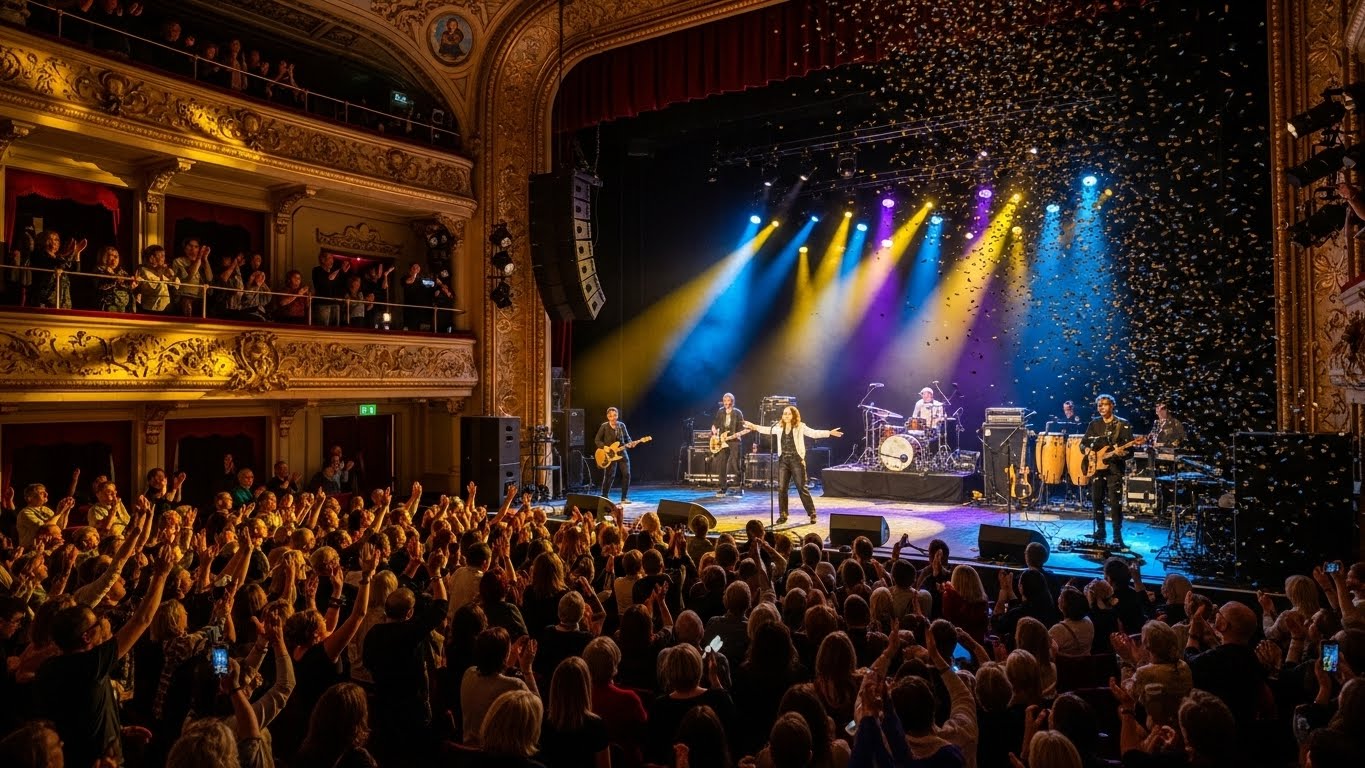
Historically, entertainment was a communal activity. People gathered around campfires, attended theater performances, or visited circuses and carnivals for shared experiences. In ancient Greece, theater was a central cultural event, with playwrights like Sophocles and Aristophanes shaping the narrative arts. Similarly, opera, ballet, and classical music have long been pillars of the entertainment world, attracting audiences with their grandeur and artistic expression.
The rise of television in the 20th century marked a turning point in entertainment consumption. Families gathered around the TV set to watch the latest sitcom or prime-time drama. The birth of Hollywood cinema further transformed entertainment, creating larger-than-life stars and global blockbuster films. These traditional forms of entertainment, while still influential today, have evolved over time in response to technological, societal, and economic changes.
The Digital Revolution and Streaming Services
The most significant shift in entertainment over the past few decades has been the digital revolution. With the advent of the internet, entertainment became more accessible than ever before. In particular, the rise of streaming services like Netflix, Amazon Prime, and Disney+ has transformed how we consume movies, TV shows, and even live events.
The convenience of on-demand streaming has replaced the traditional model of appointment-based television watching. No longer do we need to sit through commercials or wait for the next episode of a show to air. With the click of a button, we can access an entire library of content at our fingertips. This has also contributed to the global spread of entertainment, with people in different countries enjoying content from all over the world.
Streaming platforms have revolutionized the production of content as well. Shows like Stranger Things or The Witcher, originally developed for streaming platforms, have attracted millions of viewers, showing that these services are not just a distribution method, but also hubs for creating new and innovative stories. In fact, Netflix has become a leader in producing original content, while companies like Amazon and Apple are investing heavily in their own exclusive shows and movies.
The Rise of Interactive and Immersive Entertainment
Beyond passive consumption, a new form of entertainment has emerged that allows users to actively engage with content. Video games, for example, have evolved into sprawling, interactive worlds that offer an experience unlike any other medium. Today’s video games combine rich storytelling, stunning visuals, and complex gameplay mechanics to create fully immersive environments where players control the outcome.
Titles like The Legend of Zelda, The Last of Us, and Fortnite illustrate how video games can offer dynamic narratives and shared experiences with players across the globe. Multiplayer online games like World of Warcraft or League of Legends allow players to work together, strategize, and compete in real-time, making gaming a highly social and interactive form of entertainment.
In addition to gaming, virtual reality (VR) and augmented reality (AR) have opened up new frontiers for immersive entertainment. VR headsets like Oculus and PlayStation VR create fully immersive virtual worlds where users can interact with their surroundings as if they were physically present. AR, on the other hand, overlays digital elements onto the real world, as seen in the global phenomenon Pokémon Go. These technologies are changing the way we experience entertainment, offering a more engaging and interactive form of enjoyment.
The Impact of Social Media and User-Generated Content
Another major shift in entertainment comes from social media platforms, where user-generated content plays a central role. Platforms like YouTube, Instagram, TikTok, and Twitch have democratized content creation, allowing anyone with a camera or smartphone to produce and share their work with a global audience. As a result, many people now find entertainment in watching amateur content rather than traditional professional productions.
Influencers and content creators have become central figures in the entertainment industry. These individuals build massive followings by sharing their personal lives, talents, and opinions, creating a new form of celebrity that is more relatable to their audiences. The rise of influencers has also led to the rise of social media platforms as entertainment hubs, with millions tuning in for live streams, challenges, and short-form videos.
The interactive nature of social media also allows audiences to engage with content in real time. Fans can comment on videos, share their thoughts, or participate in live chats during streams. This creates a sense of community and involvement that traditional entertainment forms often lack. Furthermore, the viral nature of social media means that content can spread quickly, giving rise to trends, memes, and challenges that captivate large audiences.
The Influence of Entertainment on Society and Culture
Entertainment has always been a reflection of society and culture, but in recent years, the impact of media on our lives has become more pronounced. Television shows, movies, and online content often tackle social, political, and cultural issues, sparking conversations and raising awareness about topics ranging from mental health to racial inequality.
Popular culture often mirrors the attitudes and values of the time. For example, the rise of superhero movies in the 21st century can be seen as a response to the need for heroes in an increasingly complex world. Similarly, shows like Black Mirror or The Handmaid’s Tale explore dystopian futures that comment on the potential consequences of unchecked technological advancements.
Entertainment also plays a vital role in shaping perceptions of identity. Representation of diverse characters in movies, TV shows, and video games has become a hot topic, with fans and creators alike pushing for more inclusive content. Shows like Orange is the New Black and movies like Crazy Rich Asians have helped give visibility to underrepresented groups, leading to more opportunities for diverse actors, creators, and stories.
The Economic Impact of Entertainment
Entertainment is not just a cultural force; it’s also a major economic engine. The global entertainment industry encompasses a vast range of sectors, including film, television, music, theater, gaming, and live events. The economic influence of this sector is immense, contributing billions of dollars annually to the global economy.
Hollywood, Bollywood, and the international film industry generate massive revenue through ticket sales, merchandising, and streaming rights. In the music industry, artists, record labels, and streaming platforms generate billions from music sales, concerts, and licensing deals. Sports, too, contribute significantly to the economy, with major leagues and tournaments generating revenue through ticket sales, broadcasting rights, and sponsorships.
Entertainment also plays a crucial role in job creation, with millions of people working in the industry as actors, musicians, producers, directors, designers, engineers, and more. Furthermore, as digital platforms continue to dominate, new job opportunities in tech, digital marketing, and content creation are continually emerging.
The Future of Entertainment
As technology continues to advance, the future of entertainment is likely to be even more immersive, interactive, and accessible. The continued development of artificial intelligence, machine learning, and data analytics will allow creators to produce highly personalized content tailored to individual tastes. AI may even be used to create more lifelike virtual characters, interactive storytelling, and even personalized music compositions.
Additionally, the growth of virtual reality and augmented reality will transform how we experience entertainment, blurring the line between the physical and digital worlds. Concerts, sports events, and theater performances could all be experienced virtually, allowing people to participate from anywhere in the world.
As we move further into the digital age, one thing is clear: entertainment will continue to evolve, creating new ways for people to connect, engage, and experience stories, games, and performances. With technology and creativity working hand in hand, the possibilities for the future of entertainment are limitless.
Conclusion
Entertainment has always been an integral part of human life, providing both enjoyment and a mirror through which we reflect on our society and culture. The journey of entertainment—from traditional forms like theater and film to the rise of digital platforms and immersive experiences—has been shaped by technology, social trends, and creative innovations. Today, entertainment is more diverse, accessible, and interactive than ever before, and its influence continues to grow.
Whether it’s through streaming shows, playing video games, engaging with social media content, or attending live events, entertainment offers endless opportunities to experience new worlds, connect with others, and escape the realities of everyday life. As technology continues to push boundaries, the future of entertainment promises even more exciting developments, and the possibilities for how we engage with stories and experiences are only beginning to unfold.