
Introduction: The Heartbeat of Human Connection
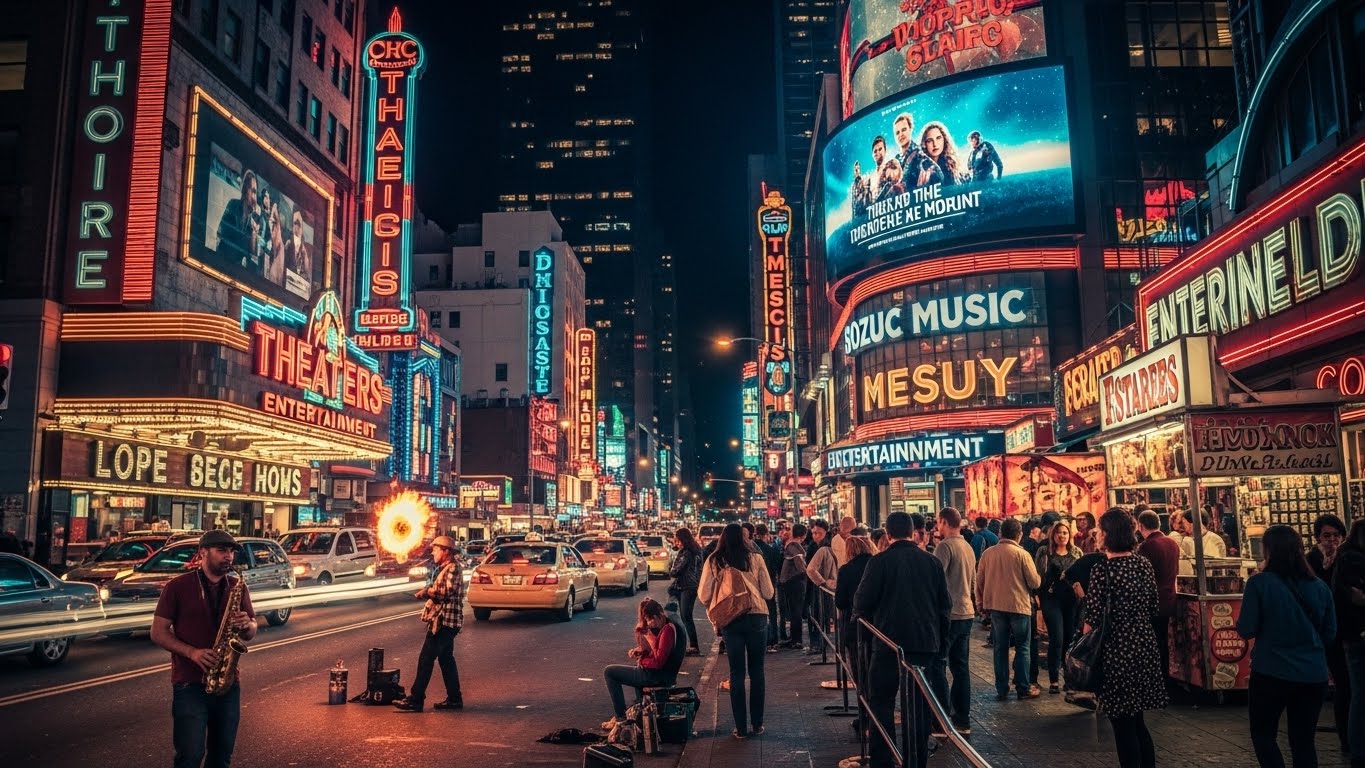
Entertainment has always been an essential part of human life. It is more than just amusement; it reflects culture, inspires imagination, and connects people across generations. From the earliest cave paintings and oral storytelling to the multi-billion-dollar film and music industries of today, entertainment has continually evolved to meet the desires and needs of society. In this blog, we explore the evolution, trends, and future of entertainment, highlighting its role as both a mirror and a catalyst for cultural change.
The Origins of Entertainment: Storytelling and Oral Traditions
Long before movies, television, or video games, humans entertained themselves through stories. Oral traditions, myths, and folktales were powerful ways to convey values, share history, and spark imagination. Storytelling was interactive, often performed in communal settings where audiences would participate, ask questions, or act out parts of the narrative. This early form of entertainment not only provided amusement but also strengthened social bonds and fostered cultural identity.
Theater and Performance: The Birth of Live Entertainment
As societies developed, theater emerged as a significant form of entertainment. Ancient civilizations, such as the Greeks and Romans, created performances that combined storytelling, music, and visual spectacle. Theater allowed audiences to experience emotions vicariously, exploring themes like love, war, morality, and comedy. Over centuries, live performance evolved into opera, ballet, and stage plays, enriching culture and providing immersive experiences that are still cherished today. The energy of a live performance continues to captivate audiences, offering a connection impossible to replicate through screens alone.
Music: The Universal Language of Entertainment
Music has always been a cornerstone of entertainment, transcending language, geography, and time. From classical compositions to modern pop, music evokes emotions, memories, and social cohesion. Technological advancements have transformed how we consume music. Vinyl records, cassettes, CDs, and streaming platforms have made music more accessible than ever before. Artists experiment with genres, blending traditional and modern sounds, creating a diverse auditory landscape. Live concerts, festivals, and interactive music experiences further enhance the communal power of music as a form of entertainment.
Film and Television: Crafting Visual Narratives
The invention of film and television revolutionized entertainment by combining storytelling with visual imagery. Early cinema fascinated audiences with moving pictures, while modern film and television offer complex narratives, special effects, and immersive experiences. Television became a household staple, providing serialized entertainment that shaped social conversations. Today, the rise of high-quality streaming services allows viewers to access content on demand, encouraging binge-watching and global cultural exchange. Visual media has transformed entertainment into a shared experience that connects millions of people worldwide.
Digital Entertainment: Video Games and Interactive Experiences
The digital revolution gave birth to a new form of entertainment: video games. What began as simple arcade games has evolved into immersive, narrative-driven, and competitive experiences. Video games allow players to interact with stories, make choices that affect outcomes, and collaborate with others online. This interactivity adds a unique dimension to entertainment, combining creativity, strategy, and social engagement. Competitive gaming, or esports, further bridges the gap between players and audiences, transforming games into spectator events that rival traditional sports in popularity.
Social Media and Entertainment on Demand
Social media platforms have redefined entertainment in the modern era. Short-form videos, viral challenges, and influencer-created content dominate the digital landscape, offering personalized entertainment tailored to individual preferences. Social media allows audiences to engage with creators directly, providing feedback, participation, and interaction that traditional media cannot match. Platforms like streaming services and video-sharing apps have transformed entertainment into a participatory and highly interactive experience, bridging the gap between creators and audiences.
The Role of Technology in Shaping Entertainment
Technological innovation continues to redefine entertainment. Virtual reality, augmented reality, and artificial intelligence are creating new possibilities for immersive experiences. Audiences can now explore digital worlds, attend virtual concerts, or interact with AI-driven characters. Advances in CGI, animation, and 3D technology enhance storytelling, allowing creators to bring imaginative worlds to life with unprecedented realism. Technology ensures that entertainment evolves alongside societal expectations, offering experiences that are increasingly engaging, interactive, and personalized.
Live Events: The Timeless Appeal of Shared Experiences
Despite technological advances, live events remain a vital aspect of entertainment. Concerts, festivals, theater performances, and sporting events provide experiences that screens cannot replicate. The energy of a live audience, the shared emotional reactions, and the spontaneity of performance create lasting memories. Live entertainment fosters a sense of community and cultural participation, highlighting humanity’s enduring desire for direct, personal connection. Even in a digital world, the draw of live experiences demonstrates the irreplaceable power of being present.
The Globalization of Entertainment
Entertainment has become a global phenomenon, breaking geographical, linguistic, and cultural barriers. Movies, music, video games, and online content reach audiences across continents, creating shared cultural references and global fandoms. International collaborations between creators from different countries are producing innovative content that blends diverse styles and perspectives. Globalization ensures that entertainment is not only a reflection of local culture but also a platform for cultural exchange and understanding, connecting people in ways that transcend borders.
The Cultural Impact of Entertainment
Entertainment shapes society in profound ways. It influences fashion, language, social norms, and cultural identity. Iconic films, music, or games often define generational experiences, shaping collective memory. Entertainment also offers a space for social commentary, addressing issues such as politics, inequality, and morality. It educates, inspires, and challenges audiences to think critically. Through its cultural influence, entertainment is both a mirror of society and a tool for shaping its future.
Representation and Inclusivity in Entertainment
Modern entertainment increasingly emphasizes diversity and inclusivity. Audiences demand stories that reflect a wide range of experiences, identities, and cultures. Representation matters, as it allows people to see themselves in narratives and promotes empathy and understanding. Creators are exploring stories from underrepresented communities, introducing new perspectives, and challenging stereotypes. Inclusivity enriches entertainment, ensuring that it continues to resonate with audiences in an increasingly interconnected and socially conscious world.
The Business of Entertainment
Entertainment is also a major economic driver. The industry encompasses film production, music, gaming, live events, media distribution, and merchandising. Investment, marketing, and sponsorship are critical components that sustain its growth. Creators, artists, and performers increasingly rely on diverse revenue streams to reach audiences and maintain creative freedom. The business of entertainment reflects the balance between art and commerce, ensuring that creativity thrives while meeting audience demands.
The Future of Entertainment: Merging Reality and Imagination
The future of entertainment promises even more innovation. With the convergence of technology, creativity, and interactivity, audiences will experience content in ways previously unimaginable. Virtual concerts, interactive films, AI-generated music, and immersive gaming worlds are just the beginning. As technology continues to evolve, entertainment will become increasingly personalized, participatory, and engaging. The line between audience and creator will blur, allowing individuals to influence the content they consume in real-time.
Conclusion: Why Entertainment Matters
Entertainment is not merely a pastime; it is an essential part of human life that educates, connects, and inspires. From storytelling and theater to video games and digital media, it reflects society’s evolution while shaping its future. As technology advances, entertainment will continue to evolve, offering new ways to experience stories, music, and performances. Ultimately, entertainment is a celebration of creativity, culture, and shared human experience, reminding us of our universal need for connection, joy, and imagination.